Elk reference · Diet
What elk eat.
A ruminant grazer and browser that follows the green wave uphill in spring and survives on bark and twigs by February. The seasonal diet, how much an elk puts away in a day, and why summer grass turns directly into autumn antler.
How it works
Built like cattle, for the same job.
Elk are ruminants — they carry the same four-chambered stomach as cattle, bison, deer, and sheep. They graze quickly, swallowing coarse forage into the rumen, then bed down to chew cud: regurgitating and re-chewing fermented plant matter to break down cellulose that no single-stomached animal could digest. It is the reason elk can turn dry grass and woody browse into 700 pounds of bull.
An adult elk eats roughly 15 to 20 pounds of vegetation a day. They are strict herbivores — grass, forbs, browse, bark — and never eat meat, though they’ll gnaw a shed antler or bone for minerals when the soil is poor.
Diet by season
Following the food.
Spring
New green grass, emerging forbs, early shoots
After a winter of woody browse, elk pour onto the first green-up like cattle on new pasture. Protein-rich spring forage drives calf growth and starts antler development in bulls. Elk follow the green wave uphill as snow recedes.
Summer
Grasses, forbs, flowering plants, aspen leaves
Peak forage. Elk feed heavily on high-country meadows and aspen benches, building the body condition and antler growth that the rest of the year depends on. This is when nutrition translates directly into antler size and winter survival.
Fall
Cured grasses, forbs, acorns + mushrooms where available, early browse
Elk pack on fat for winter and the rut. Bulls especially run down during the September rut — a herd bull may barely eat for weeks, burning through summer reserves chasing and defending cows.
Winter
Woody browse, shrubs, bark, dried grasses, conifer needles when desperate
The hard season. Elk shift to lower south-facing slopes and survive on coarse, low-nutrition browse — shrubs, twigs, bark, and whatever grass they can paw to under the snow. They lose weight all winter; the goal is simply to reach spring alive.
On a working ranch
Elk and cattle eat the same grass.
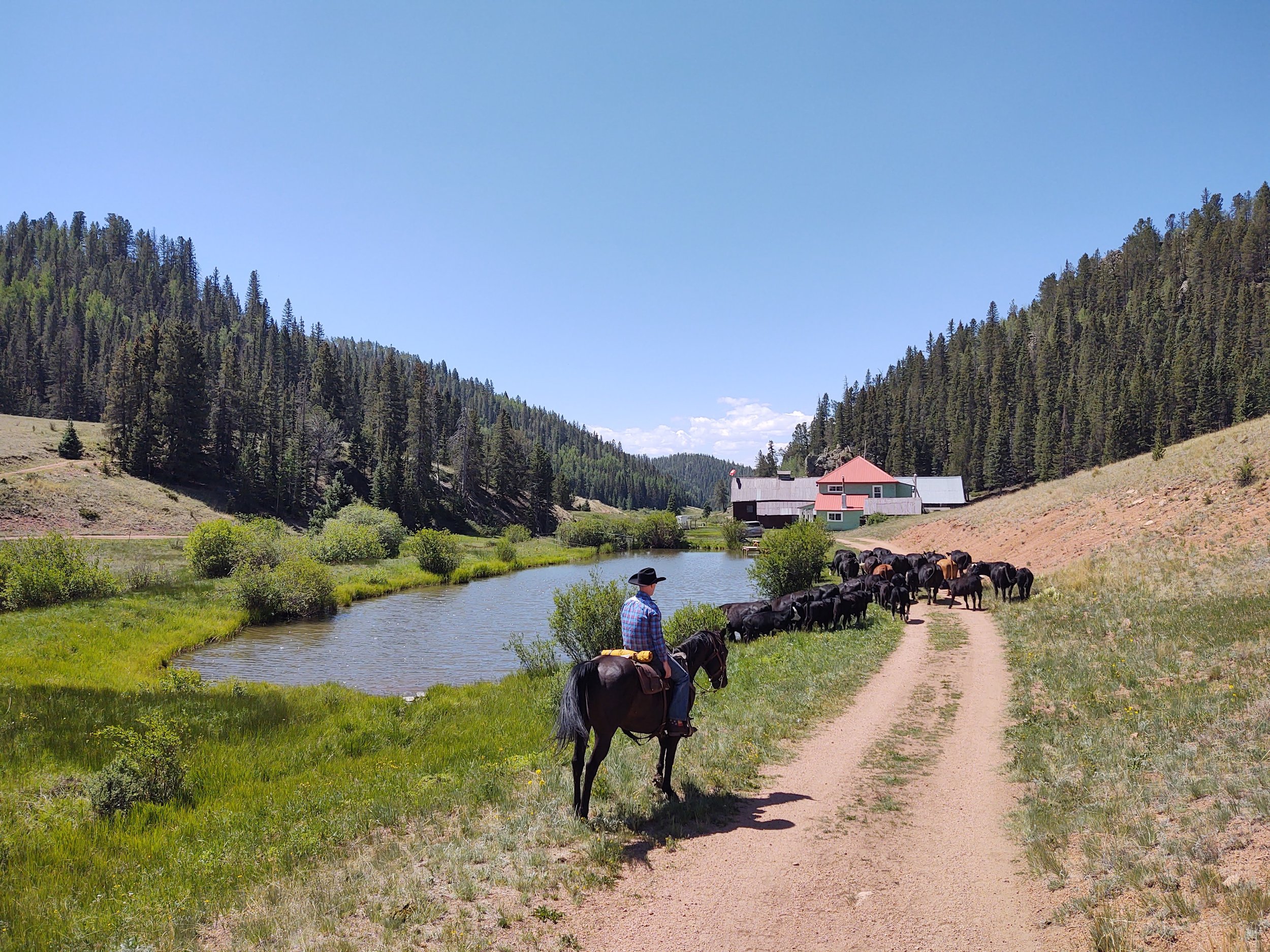
On a working cattle ranch in elk country, the elk diet isn’t an abstraction — it’s a daily management question. Elk and cattle graze the same forage, drink the same water, and compete for the same south-facing winter slopes. A ranch that manages its grazing well leaves enough forage for both; one that doesn’t ends up with elk on the hay stack in January.
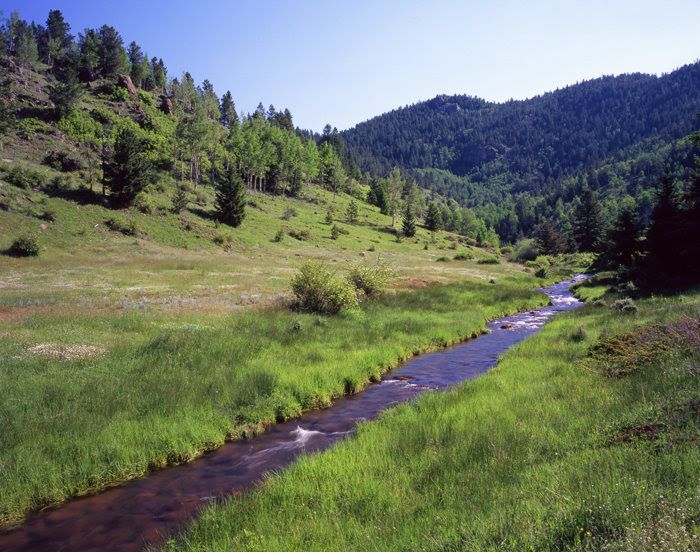
At Elk Glade, rotational cattle grazing, conservation-grade fencing, and the cold, year-round water of East Beaver Creek are managed together so the grazing cattle and the elk herd share the country rather than fight over it. That balance is what keeps both the cattle and the hunting viable on the same ground.
Frequently asked
Elk diet questions.
What do elk eat?
Elk are herbivores — specifically ruminant grazers and browsers. They eat grasses, forbs (broad-leaved plants), sedges, and flowering plants in the warm months, then shift to woody browse, shrubs, bark, and dried grasses in winter. An adult elk eats roughly 15–20 pounds of vegetation per day. They do not eat meat.
Are elk herbivores or omnivores?
Elk are strict herbivores. They have a four-chambered ruminant stomach (like cattle and deer) built to ferment and digest plant cellulose. They graze grasses and forbs and browse woody plants, but they never eat meat. Occasionally elk will gnaw shed antlers or bones for minerals, but their diet is entirely plant-based.
How much does an elk eat per day?
An adult elk eats roughly 15 to 20 pounds of forage per day, sometimes more during the lush summer growing season when they're building body condition. Like cattle, elk graze, then bed down to chew cud — regurgitating and re-chewing fermented forage to extract maximum nutrition from coarse plant material.
How does the elk diet change with the seasons?
Elk follow the food. In spring they chase the green-up uphill, eating protein-rich new growth. Summer is peak forage on high meadows and aspen benches. Fall is fattening on cured grasses and mast. Winter forces them onto coarse woody browse, bark, and dried grass on lower south-facing slopes, where they slowly lose weight until spring.
Do elk eat crops or hay?
Yes — elk will readily feed on agricultural crops, alfalfa, and hay, which is a frequent source of conflict with ranchers and farmers in elk country. Some western states run winter feeding programs or fund fencing to keep elk off stored hay and growing crops. On a working ranch, managing where elk feed relative to cattle forage is part of the operation.
From the page to the field
Hunt elk where the herd is largest.
Elk Glade guides bull elk on GMU 59 limited entry, on the south slope of Pikes Peak — inside the largest elk population on Earth. Archery, muzzleloader, and four rifle seasons.