Skip to content
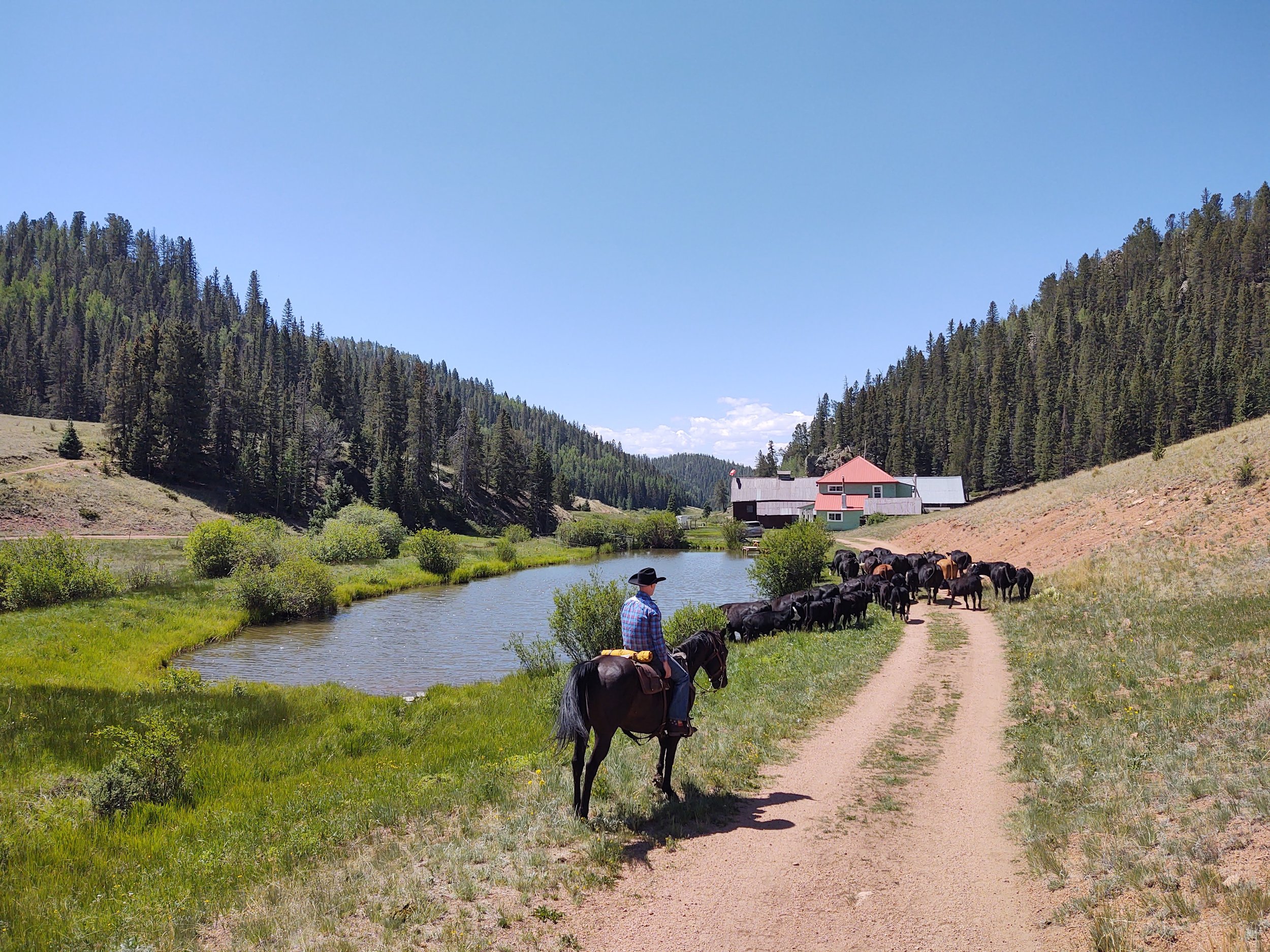
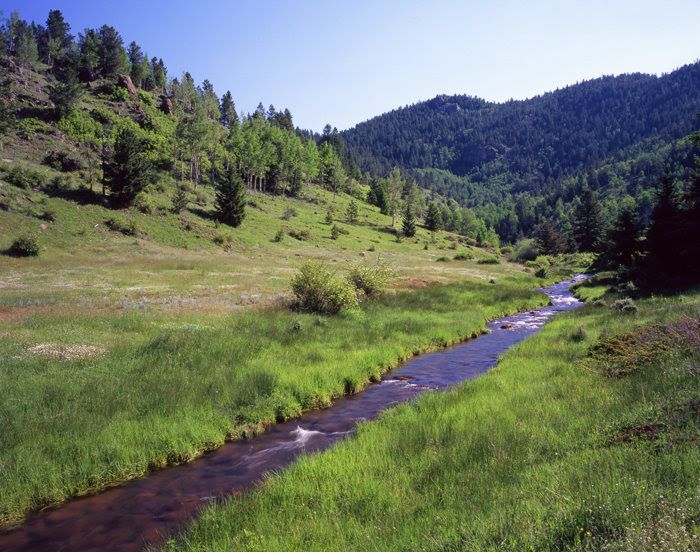
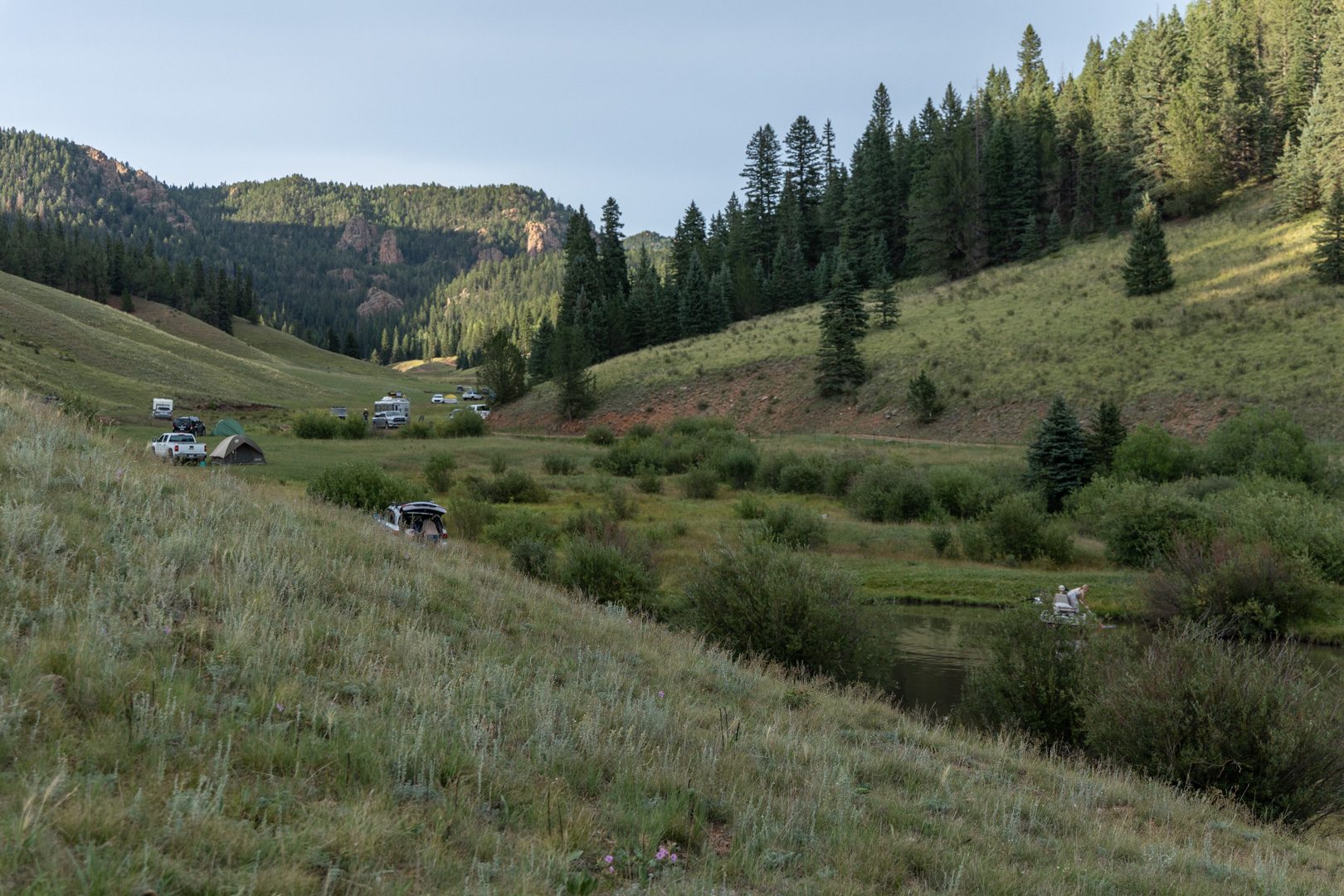
The valley meadow below the timber at Elk Glade, GMU 59

GMU 59 · Complete unit profile · Updated 2026-05-28

Colorado GMU 59 — the south slope of Pikes Peak.

The 700-square-mile limited-entry hunt unit in Teller and El Paso counties. Geography, terrain, draw odds, huntable species, and how a 138-year working ranch on the unit operates inside it.

The short answer

Colorado Game Management Unit 59 covers approximately 700 square miles on the south slope of Pikes Peak, spanning Teller County and the western edge of El Paso County. Bull elk is limited entry in 1st and 4th rifle and over the counter (OTC) in 2nd and 3rd rifle; mule deer is limited entry. The unit runs from Cheyenne Mountain west to the Pike National Forest boundary, with elevations from 6,500 to 14,115 feet (at the summit of Pikes Peak). Public-private split is approximately 60/40. Non-resident elk point cutoffs run 1–4 across weapon classes.

Geography

The unit, in 700 square miles.

GMU 59 is anchored by Pikes Peak (14,115 ft) at its northeastern corner. The unit boundary runs from Cheyenne Mountain at the eastern edge — where the mountain’s south face drops onto the suburban Colorado Springs grid — west through the Pike National Forest, picking up the Cripple Creek mining district at its western edge, and south to the Beaver Creek drainage.

The unit’s defining geographic feature is the south-facing aspect. Pikes Peak shelters the unit from the worst north-storm winters that hammer the northern Front Range units, and the south face holds heat into the evening — which holds animals on the bench longer in the rut and produces reliable post-rut feeding patterns through November.

Three major drainages give the unit its bone structure:

  • Beaver Creek at the western edge, draining the Cripple Creek mining district south toward Florence.
  • East Beaver Creek— the East Beaver Valley headwater — running year-round cold spring-fed water through the ranch country at the unit’s southwest corner.
  • Fountain Creek on the eastern edge, draining off the south slope of Pikes Peak toward Manitou Springs and Colorado Springs.

The canyon system that holds East Beaver Creek is the largest wildlife corridor between New Mexico and Wyoming on the Colorado Front Range — roadless private and public country whose conservation value Colorado Parks & Wildlife recognized with a grant to Elk Glade. That canyon is the heart of the bull-elk habitat on GMU 59.

Land breakdown

The 60/40 public/private split.

GMU 59 is approximately 60% public land and 40% private. The split is more even than most western-slope units (which run 80%+ public) but more private-heavy than the eastern plains units. For the hunter, this means a meaningful mix of public access opportunity AND meaningful private-land hunt opportunity through the Landowner Preference Program.

USFS · Pike National Forest

~40% of unit area

Accessed via Old Stage Road, Gold Camp Road, and the Stuart Hill Road network. Open to general hunting with draw tag.

BLM · Royal Gorge Field Office

~10% of unit area

Smaller parcels generally accessed via USFS or county road. Mostly south-of-unit-center.

State land (Trust + State Wildlife)

~10% of unit area

Subject to State Land Board access permits in addition to CPW tag. Check current rules.

Private land

~40% of unit area

Working cattle ranches, conservation easements, and recreational ranches between Cheyenne Mountain and the Cripple Creek district. Includes Elk Glade's 2,100 family-owned acres and over 25,000 leased acres.

Species

What lives here.

Bull elk (primary draw target)

GMU 59 holds a year-round resident bull-elk population estimated at roughly 2,000–2,800 animals (CPW herd unit data, recent years). The herd uses the south-facing benches between 8,500 and 10,500 ft as primary feeding grounds in September–November, with summering grounds above 11,000 ft and winter range below 8,000 ft on the south-facing exposures.

Average bull score in the unit runs 280–305 typical, with regular 320–340 bulls taken in any given season and occasional 350+ on private land. Cow elk are available on most weapon classes via either-sex draw or cow-specific limited entry.

See our bull elk hunt page and weapon-class subpages (archery, muzzleloader, rifle) for tactics specific to the unit.

Mule deer

GMU 59 mule deer is limited entry across all seasons. The herd is smaller than the elk herd — roughly 600–900 animals — with most bucks taken in the 150–170 class and occasional 180+ on the willow draws above the cattleguards. The country here holds mature bucks because the south face has water year-round and low hunter density.

See our mule deer hunt page for the unit- specific tactics and combined-season planning.

Black bear

At Elk Glade, black bear is hunted alongside elk on the six-night Elk + Deer or Bear combo (if successful). See 2026 hunt pricing.

Merriam’s turkey (spring)

GMU 59 holds a healthy resident Merriam’s turkey population in the ponderosa benches above 7,500 ft, particularly on the south-facing slopes between the lodge meadows and the canyon rims. Spring season runs early April through late May; private-land hunts open one week ahead of the public season.

See our spring turkey hunt page.

Mountain lion (limited)

Limited late-season mountain lion permits available through CPW draw. Lions are present year-round but rarely encountered during the elk/deer seasons. We do not run guided lion hunts at Elk Glade.

Small game

Cottontail rabbit, snowshoe hare, ptarmigan (above 11,000 ft), and dusky and blue grouse all present in the unit. Most of our hunters who pursue small game do so opportunistically during big-game seasons rather than as a primary hunt.
Draw odds

Recent-year preference-point cutoffs.

All cutoffs below are non-resident preference-point requirements observed in recent CPW draw recaps. Resident cutoffs run 0–1 point lower across the board. Cutoffs vary year to year by 0–1 points depending on applicant pool.

SeasonCutoff (NR)Cutoff (Res)Note
Elk · Archery2–3 points1–2 pointsRut hunt; intimate setups.
Elk · Muzzleloader1–2 points0–1 pointsLate-rut shoulder window.
Elk · Rifle 1st (limited bull)1–2 points0–1 points5-day, bull-only.
Elk · Rifle 2nd (combined)OTC bull · no drawOTC bull · no drawOver-the-counter bull license.
Elk · Rifle 3rd (combined)OTC bull · no drawOTC bull · no drawOver-the-counter bull license. Cold-push best-success season.
Elk · Rifle 4th (limited)1–2 points0–1 points5-day late-snow tracking.
Mule Deer · Combined rifle1–2 points0–1 pointsRun with elk combo.
Spring Turkey0–1 points0 pointsGenerally available.

Use our preference-points lookup for an interactive cutoff check against your current point count.

Access

Getting into the unit.

From Colorado Springs (COS): The shortest route is Old Stage Road west from The Broadmoor through Cheyenne Mountain. The road is paved to the zoo turn, then transitions to well-maintained gravel. 60 miles total; 90 minutes door-to-door from COS airport to the southwest corner of the unit.

From Denver / DIA: South on I-25 to Colorado Springs (~75 miles), then via Old Stage Road. Total ~150 miles; about 3 hours. An alternate route west via US 24 through Divide and Cripple Creek is comparable in time and offers better truck-friendly road quality past the gravel transition.

From Cripple Creek / Victor:The western edge of the unit is accessible via county and ranch roads from the Cripple Creek mining district. This is the route for the Elk Glade ranch headquarters and most private-land hunts in the unit’s western half.

Public access points: Old Stage Road provides primary USFS access. Gold Camp Road (closed to vehicles past a certain mile marker but walkable / horseback) accesses the north-central unit. The Penrose Zoo Road corridor accesses the eastern edge. Wye Campground at the eastern boundary is a frequently-used staging point.

Weather + climate

What to expect in each season.

September archery: Mornings 35–45°F, afternoons 65–75°F at 8,500 ft. Light snow possible above 11,000 ft. Thunderstorms common in late afternoon. The thermal flip mid-morning is the most reliable hunting window.

Mid-September muzzleloader: Cooler. Mornings 28–38°F, afternoons 55–68°F. First snow of the season often arrives in this window above 9,500 ft.

October rifle 1st: 20–55°F range. Aspen has dropped. Wind picks up on the bench in afternoon. First sustained cold of fall.

Late-October rifle 2nd: 15–50°F. Reliable snow above 10,000 ft. The post-rut feeding pattern is the dominant tactical consideration.

Mid-November rifle 3rd: 5–40°F. Snow likely at all elevations. Cold compresses elk into dark timber pockets and exposes movement patterns.

Late-November rifle 4th: 0–35°F. Severe weather windows. Track-in-fresh-snow hunting at its best for hunters willing to push.

Spring turkey (April–May): 35°F mornings to 70°F afternoons in April; warmer in May. Spring storms possible through mid-May.

Live conditions on the south slope of Pikes Peak — weather, fire status, streamflow — are pulled from NWS, InciWeb, and USGS and rendered on our status page with each-30-minute refresh.

Where Elk Glade fits

The home unit.

Elk Glade Outfitters has run guided hunts on GMU 59 for many seasons. The ranch sits in the southwestern corner of the unit, with 2,100 acres of family-owned land and over 25,000 acres of leased land around the East Beaver Valley, plus participation in the CPW Landowner Preference Program (LPP) that produces annual elk and deer vouchers for our hunters.

The leased ground sits between 8,000 and 9,500 feet on south-facing aspects — prime fall elk feeding grounds. The terrain runs from open ponderosa benches (most of the hunting) up through aspen draws to mixed conifer at the canyon rim. Most successful hunts on the property involve glassing from horseback at first light, locating a bull on the meadow, and stalking with the thermals.

See our bull elk hunt page for the full hunt details, or the weapon-specific subpages for archery, muzzleloader, and rifle tactics on this country.

Frequently asked.

Where is Colorado GMU 59?

Colorado Game Management Unit 59 covers approximately 700 square miles on the south slope of Pikes Peak, spanning Teller County and the western edge of El Paso County. The unit runs from Cheyenne Mountain west through Old Stage Road and the Cripple Creek mining district to the Pike National Forest boundary.

What species can you hunt in GMU 59?

Bull elk, mule deer, black bear, spring Merriam's turkey, and limited mountain lion are the primary big-game species in GMU 59. At Elk Glade, black bear is hunted alongside elk on the six-night Elk + Deer or Bear combo (if successful). Antelope is not present on this unit. Small-game opportunities include cottontail, snowshoe hare, ptarmigan, and grouse depending on elevation and season.

Is GMU 59 limited entry or OTC for elk?

Both, depending on the season. In GMU 59, 1st and 4th rifle bull elk are limited entry: you draw the tag through the CPW primary draw or acquire a landowner voucher. 2nd and 3rd rifle bull elk licenses are over the counter, so no draw is needed. Rules change from year to year, so check CPW's big-game page before you apply.

How many preference points do I need for GMU 59 elk?

None for 2nd and 3rd rifle bull elk: those licenses are over the counter. For the draw seasons, non-resident point cutoffs for GMU 59 elk run 1–3 points: archery typically 2–3; muzzleloader 1–2; rifle 1st (limited bull) 1–2; rifle 4th 1–2. Resident cutoffs are typically 0–1 point lower across the board.

What is the public-private land split in GMU 59?

GMU 59 is approximately 60% public land (BLM, USFS, and state land) and 40% private. The largest contiguous private holdings include working cattle ranches on the south-facing benches between 8,000 and 9,500 feet. Public land access is via Old Stage Road, Gold Camp Road, and several USFS access points.

What's the elevation range in GMU 59?

GMU 59 ranges from approximately 6,500 feet at the lower eastern boundary near Cheyenne Mountain up to 14,115 feet at the summit of Pikes Peak. The primary big-game habitat sits between 8,000 and 11,000 feet on the south-facing benches and aspen draws.

What's the terrain like for hunting GMU 59?

Mixed open ponderosa benches, aspen draws, mixed conifer at higher elevation, and exposed rock above tree line. The country is more open than western-slope timber units, which favors glassing-and-stalking tactics. Most successful hunts in the unit involve 0.5–3 mile hikes from a horse or ATV drop.

What's the harvest success rate for GMU 59 elk?

Colorado statewide bull-elk opportunity runs approximately 8% per CPW data. GMU 59 unit-wide success rates run roughly 12–20% across recent years — better than state average due to limited entry. Private-land hunters with outfitter support on GMU 59 typically see 50–75% opportunity rates.

When is the best time to hunt GMU 59?

For bull elk: rifle 2nd (late October) and rifle 3rd (mid-November) are the most reliable seasons on GMU 59. September archery hits the rut. Muzzleloader fills the September shoulder. Spring turkey works best the second and third weeks of the season.

How do I get to GMU 59?

GMU 59 is approximately 60 miles west of Colorado Springs (COS airport) via Old Stage Road through Cheyenne Mountain. The drive takes 90 minutes. The unit can also be reached from US 24 via Divide and Cripple Creek (slightly longer drive but better truck terrain).

Related

Keep reading.

Sources

Plan a GMU 59 hunt

We’ve hunted this unit for many seasons.

If you’re building points toward GMU 59, holding a tag for it, or considering a landowner voucher — call us. The unit knowledge is the part of the operation we won’t bill you for.