Colorado elk unit · GMU 211
Danforth Hills · Axial Basin
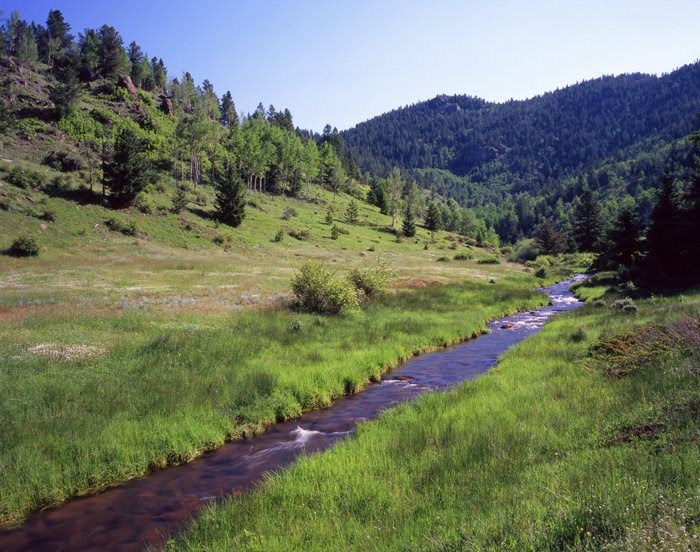
The Danforth Hills and Axial Basin — a returned OTC tag on classic White River winter range, access permitting.
About GMU 211
Colorado Game Management Unit 211 sits in Northwest Colorado (White River), spanning Rio Blanco, Moffat counties near Meeker, Maybell, Craig. The terrain runs from 6,000 – 8,700 ft. The primary big game are Rocky Mountain Elk, Mule Deer, Pronghorn Antelope.
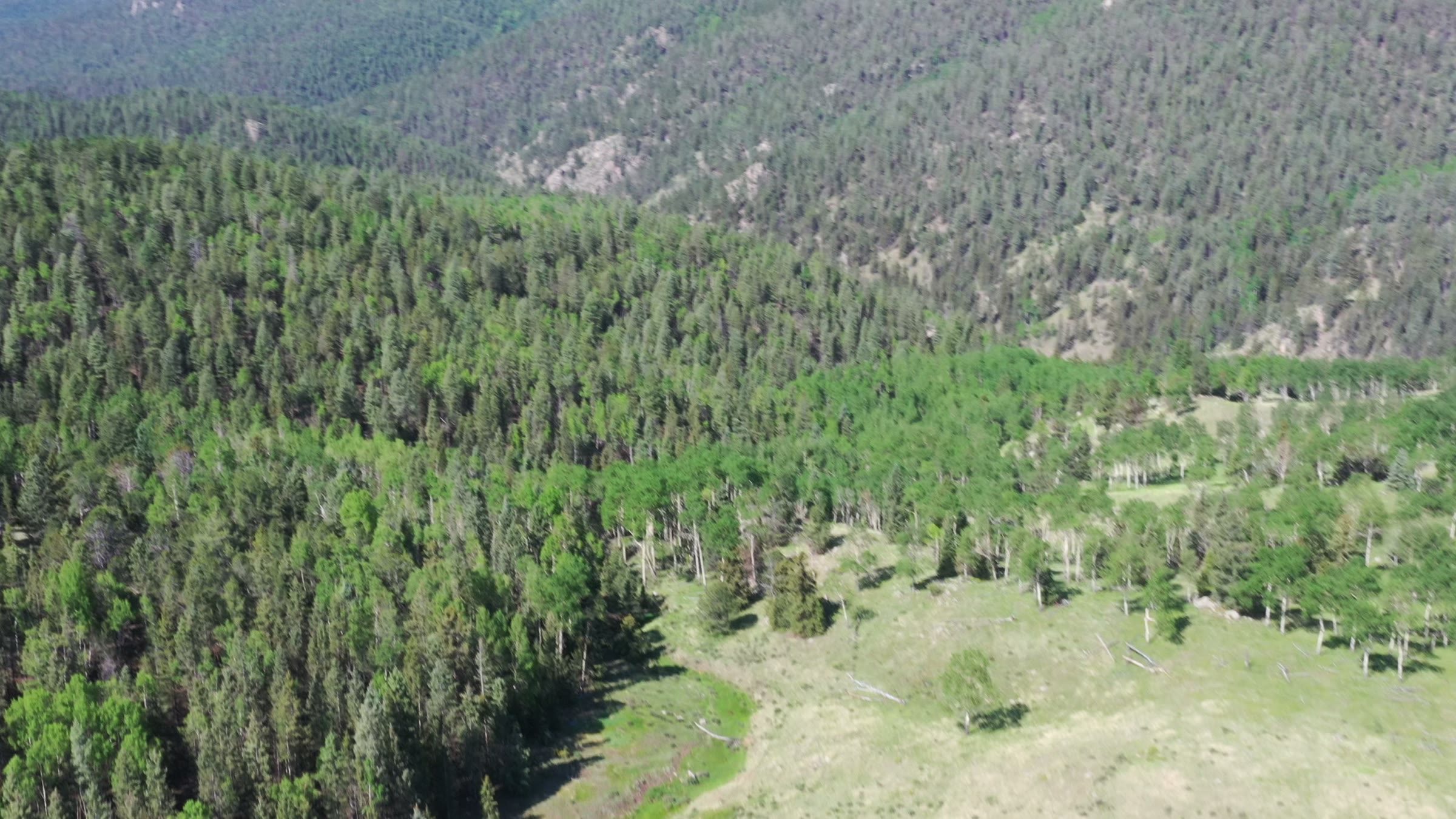
Rolling sagebrush hills, mesas, and valleys in the Danforth Hills and Axial Basin between Meeker and Maybell — sparse and open to the north, more pinyon-juniper and underbrush to the south. Easy walking, no Wilderness.
Where the unit is
GMU 211 is bounded on the north by U.S. 40 and Yampa River; on the east by Colo. 13; on the south by Colo. 13 and Colo. 64; on the west by Rio Blanco CR 7 and Moffat CR 57.
Boundary wording is CPW 2024 Big Game brochure’s, with the compass abbreviations spelled out. These are the exact unit boundaries; the maps in the brochure are approximate, and boundaries can change year to year — confirm in the current brochure before you hunt.
Elk success rates
Published by Colorado Parks and Wildlife in the CPW 2024 Elk Harvest Estimates for the 2024 season — the percentage of surveyed hunters who harvested an elk. Success swings with weather and pressure year to year; this is the most recent published data.
| Season | Success | Hunters |
|---|---|---|
| Archery | 27% | 376 |
| Muzzleloader | 55% | 59 |
| 1st rifle | 21% | 158 |
| 2nd rifle | 21% | 457 |
| 3rd rifle | 22% | 453 |
| 4th rifle | 17% | 233 |
| Private-land-only | 38% | 68 |
| Ranching for Wildlife | 95% * | 37 |
| All seasons | 25% | 1,821 |
* Fewer than 50 surveyed hunters — CPW’s estimate for that season carries a wide confidence interval. Read it as a direction, not a number.
Mule deer success rates
From CPW’s CPW 2024 Deer Harvest Estimates for the 2024 season. Colorado deer licenses are limited — every one of these seasons is a draw tag — so these rates describe hunters who already drew, not your odds of hunting here.
| Season | Success | Hunters |
|---|---|---|
| 2nd rifle | 40% | 138 |
| 3rd rifle | 37% | 237 |
| 4th rifle | 40% * | 48 |
| Ranching for Wildlife | 86% * | 21 |
| All seasons | 40% | 452 |
* Fewer than 50 surveyed hunters — CPW’s estimate for that season carries a wide confidence interval. Read it as a direction, not a number.
Three seasons, not one
A single year says what happened; three say which way a unit is going. These are CPW’s unit-wide success figures from CPW Colorado Elk and Deer Harvest Estimates, 2022–2024 — the same all-seasons line as the tables above, for each year CPW has published per-unit numbers.
| Season | Elk | Mule deer |
|---|---|---|
| 2022 | 33% (3,171) | 48% (1,002) |
| 2023 | 17% (2,193) | 51% (546) |
| 2024 | 25% (1,821) | 40% (452) |
Success across all seasons and all manners of take, with CPW’s surveyed hunter count in brackets.
- Elk success fell 8 points — 33% in 2022, 25% in 2024.
- Mule deer success fell 8 points — 48% in 2022, 40% in 2024.
Three seasons is a short record. Weather, licence allocation, drought and fire can each move a unit several points in a year, and a unit whose surveyed hunter count jumped or collapsed between years is not measuring quite the same thing twice.
Over the counter, or draw?
Bull elk is over the counter here for the 2nd and 3rd rifle seasons. You can buy that tag without drawing. The 1st and 4th rifle seasons and the antlerless tags are limited and go through the draw.
Worked out from two CPW sources rather than quoted from one: which hunt codes ran in the 2026 draw, checked against which seasons the harvest estimates record hunters in. A season with hunters but no draw code is an over-the-counter season. Archery and muzzleloader follow different rules, and structures change yearly — confirm the current hunt codes with CPW before you buy.
What it took to draw
From CPW’s 2026 primary draw report — the preference-point level at which each elk licence ran out. 308 hunters put a GMU 211 hunt code first on their application, across 3 codes.
| Drawn out at (2026) | Resident | Nonresident |
|---|---|---|
| Bull / either-sex | 20 points | — |
| All elk codes in the unit | 3–20 points | 3–4 points |
A range spans the unit’s hunt codes: the antlerless tags sit at the bottom, the hardest bull season at the top. Point requirements move every year with quotas and applicant numbers, so read this as the 2026 result rather than a forecast, and check the current CPW draw recap before you apply.
What it took to draw
From CPW’s 2026 primary draw report — the preference-point level at which each deer licence ran out. 73 hunters put a GMU 211 hunt code first on their application, across 3 codes.
| Drawn out at (2026) | Resident | Nonresident |
|---|---|---|
| Buck / either-sex | 18 points | — |
| All deer codes in the unit | 1–18 points | 2 points |
A range spans the unit’s hunt codes: the antlerless tags sit at the bottom, the hardest bull season at the top. Point requirements move every year with quotas and applicant numbers, so read this as the 2026 result rather than a forecast, and check the current CPW draw recap before you apply.
Tags & draw odds
Tag type: OTC bull (2nd & 3rd rifle) — back to OTC for 2026.
2nd/3rd-rifle bull returned to OTC for 2026 (public-land antlered was limited in 2024–25 after the winterkill); 1st/4th rifle limited. Nonresident archery draw-only; muzzleloader limited (a small but unusually successful draw here). Verify current-year status with CPW.
Access & crowding
The checkerboard and landlocked BLM funnel hunters onto the reachable public (Axial Basin especially) — a land-status app is essential.
Moderate; the accessible public tracts get pressure, especially with the OTC tag back, while landlocked ground holds quieter elk.
Who GMU 211 is for
A White River transition / winter-range unit with honest mid-20s success and a notably strong muzzleloader showing — opportunity hunting on a recovering herd, with access the main puzzle.
In a line: The DIY hunter who wants an accessible OTC White River tag and will work the Axial Basin public ground.
Recent changes: 2026: 2nd/3rd rifle bull returned to OTC (public-land antlered limited in 2024–25 after the winterkill).
GMU 211 vs GMU 59
GMU 59 is the unit Elk Glade guides, on the south slope of Pikes Peak. Both columns are Colorado Parks and Wildlife’s unit-wide 2024 estimates — every hunter in the unit, public and private, guided and DIY — so they compare like for like.
| CPW 2024 | GMU 211 | GMU 59 |
|---|---|---|
| Elk success, all seasons | 25% | 19% |
| Mule deer success, all seasons | 40% | 32% |
| Private-land-only elk success | 38% | 51% |
| Guided hunts | Not us | Elk Glade |
On paper GMU 211 posts the better unit-wide elk number. That is worth knowing — but unit-wide success is what the average tag holder does on country they may be seeing for the first time, and the hardest-to-draw units post the highest rates precisely because almost nobody holds a tag. Over the last five seasons 25–50% of Elk Glade’s guided elk hunters filled their tag, all weapons, and 60–90% got an opportunity at an elk. That is a different measurement from the table above and is our own figure, not CPW’s.
The GMU 59 unit profile →
Guided hunts in GMU 59 →
Data sources: elk success rates from CPW Colorado Elk Harvest Estimates (year labeled above). Public-land percentages are approximate. Draw point requirements shift every year and are described as ranges only — always verify the current-year figures in the CPW big game brochure and draw recap before applying.
Plan a hunt
Need help with the 211draw, or want a 59 slot if it doesn’t come through?
Send us a note with what tag you’re applying for and your dates — we’ll walk through the draw strategy and let you know what’s open at Elk Glade.