- Angle compensation (the big one)
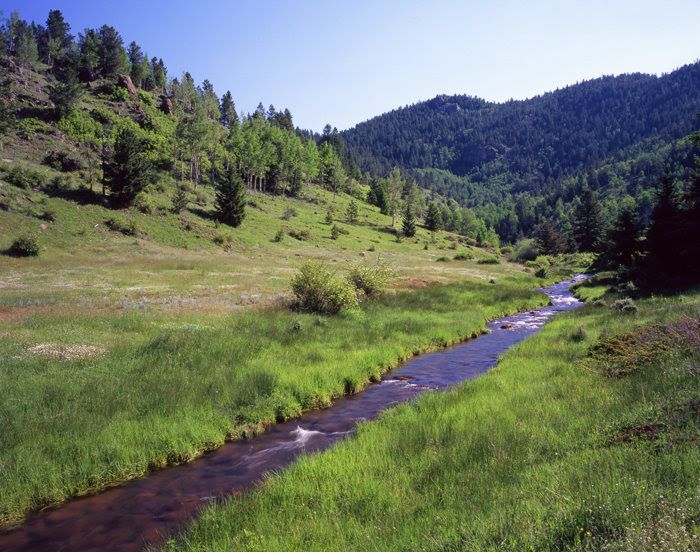
- Elk live in steep country, and a steep up- or downhill shot needs the horizontal 'shoot-to' distance, not the line-of-sight distance, or you'll shoot high. A rangefinder with angle (incline/decline) compensation does that math for you — for mountain elk it's the single most important feature, archery especially.
- Realistic ranging distance
- Marketing ranges quote reflective targets a mile out; what matters is reliably ranging an elk-sized animal. A unit that ranges game cleanly to 600–800 yards covers the vast majority of elk situations. Long-range reach is nice, but consistency on a soft, hair-covered target at hunting distances matters more than a big headline number.
- Archery vs rifle mode
- Bowhunters want a unit with an archery/angle mode optimized for close, steep shots and fast readings; rifle hunters may want a ballistic mode that factors drop. Pick the modes that match how you hunt — many quality units do both, but make sure the one you carry fits your weapon.
- Glass, magnification + display
- You're often ranging in low light at dawn and dusk. Good glass, useful magnification (around 6–7x), and a display that's readable against both bright snow and dark timber (red/illuminated displays help in low light) make a rangefinder you'll actually trust when it counts.
- Size, weight + durability
- It rides in a bino harness or pocket all day and gets rained and snowed on. Compact, light, weather-sealed, and rugged wins. A rangefinder you'll always have on you beats a bigger, fussier one you leave behind.