Archery (September)
The rut hasn't started, but velvet-to-hard-antler bucks are patternable on feed and water. Spot-and-stalk on bedded or feeding bucks; intimate, close-range work. Overlaps the elk archery season for combined hunts.
Mule deer · Draw-only · Updated 2026
The West's deer, on the south slope of Pikes Peak — and the one big thing to know up front: Colorado deer is entirely draw-only, no over-the-counter tags. How the tag system works, the seasons, spot-and-stalk tactics, the November rut, and the case for a combined elk-and-deer hunt.
Know this first
Unlike elk — where Colorado still sells OTC tags for several seasons — all Colorado mule deer hunting is limited entry. Every deer license is allocated through the CPW draw on a preference-point system. There is no buy-it-and-go option. If you want to hunt mule deer in Colorado, you apply by the early-April deadline and, for most units, build preference points until you draw.
That draw-only structure is also why Colorado mule deer hunting is good: controlled tag numbers keep pressure down and let bucks reach the age that grows big antlers. The wait is the price of the quality.
The seasons
The rut hasn't started, but velvet-to-hard-antler bucks are patternable on feed and water. Spot-and-stalk on bedded or feeding bucks; intimate, close-range work. Overlaps the elk archery season for combined hunts.
Limited entry, iron-sight range. Bucks still on summer patterns. A quieter season with low hunter density in the limited-entry units.
Colorado's rifle deer seasons run concurrent with elk on the combined seasons. Glass-and-stalk the open benches; later rifle dates edge toward the pre-rut when bucks begin to move more in daylight.
Tactics
Mule deer are found with optics first. Spend first and last light glassing south-facing benches, sage pockets, and the timber edges from the highest vantage you can reach quietly. A buck spotted at 800 yards and stalked beats a buck bumped at 80.
Bucks favor broken, brushy, steeper pockets the elk pass over. Work the transition between open feed and security cover, and pay attention to thermals — a mule deer's nose is as good as an elk's.
The mule deer rut peaks in November. Late rifle dates catch bucks moving more in daylight and chasing does, which can pull a normally nocturnal old buck into the open. Cold weather amplifies it.
A stalk on a bedded buck can take hours. Use the wind, the terrain, and the buck's own bedding vigilance against him. Mule deer bed where they can watch their backtrail, so the approach is everything.
The combined hunt
Colorado’s rifle deer seasons run concurrent with elk on the combined seasons, and the archery and muzzleloader windows overlap too. That means a hunter holding both an elk and a deer tag can hunt the same GMU 59 country in a single trip — glass a basin at first light and take whichever opportunity the morning offers.
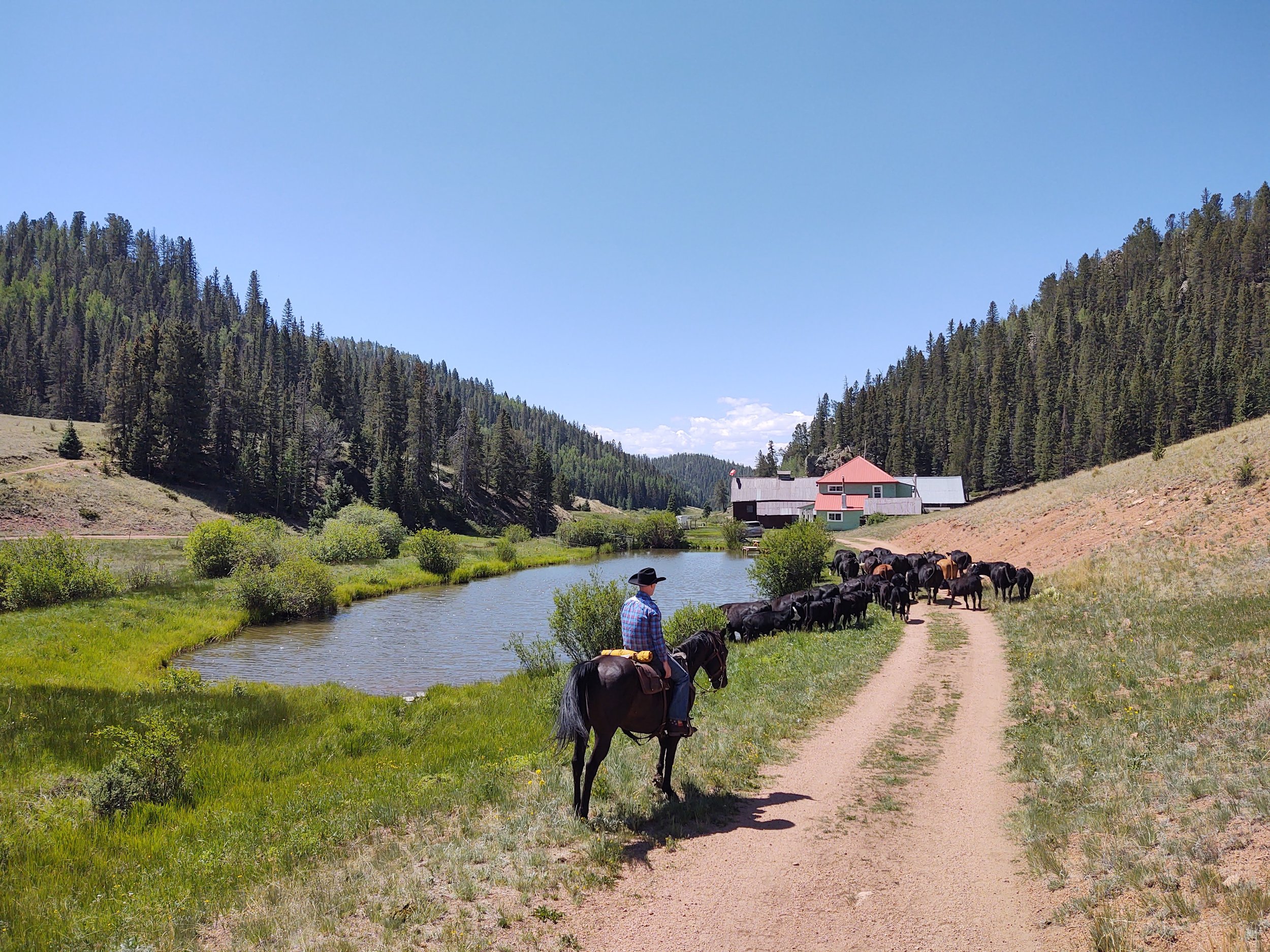
At Elk Glade, mule deer share the East Beaver Valley benches with elk, working the brushy, steeper pockets the elk pass over. A combined hunt is the most common way our guests hunt deer — and the low-pressure, limited-entry unit is what lets the bucks reach the 150–170 class.
Frequently asked
Yes. All Colorado deer hunting is limited entry — there are no over-the-counter mule deer tags. Every deer license, resident or nonresident, is allocated through the CPW draw using a preference-point system. This is different from elk, where Colorado still sells OTC tags for several seasons. Plan to apply (by the early-April deadline) and likely build preference points for the better units.
It varies widely by unit and season. Some units draw with zero to a few points; trophy-quality units can take many years of accumulated preference points. Because all Colorado deer is draw-only, even an average tag usually requires applying and building at least some points. The CPW preference-point data shows current cutoffs by unit, season, and residency.
The Colorado mule deer rut peaks in November. During the rut, normally cautious older bucks move more in daylight and chase does, which can bring them into the open and within range. Late-season rifle hunts that fall near the rut, especially in cold weather, offer some of the best opportunities at a mature buck.
A mature Colorado mule deer buck commonly scores in the 150–170 Boone & Crockett range, with trophy-unit bucks reaching 180–190+ and exceptional animals beyond. Body weights run 150–300 pounds. Antler size depends heavily on age structure, which is why low-pressure, limited-entry units like GMU 59 — where bucks reach maturity — produce the better racks.
Yes — combined elk-and-deer hunts are common and popular. Colorado's rifle deer seasons run concurrent with elk on the combined seasons, and the archery and muzzleloader windows overlap as well. At Elk Glade, mule deer are hunted alongside elk on GMU 59, letting a hunter carry tags for both and hunt the same country in one trip.