What kind of camp do you need for elk hunting?
It depends on how you hunt and how much comfort you'll trade for proximity. A spike camp puts you deep in unpressured country but costs you sleep and recovery; a wall-tent base camp is a warm, classic hub to hunt from; a lodge gives you a real bed and hot meals at the cost of a little daily travel to the elk; and a truck camp is the cheap, road-tied option. There's no single right answer — match the camp to your goals, your fitness, and the weather.
What is a spike camp?
A spike camp is a minimalist camp carried in on your back, deep into the backcountry, away from roads and trailheads. It's a light tent, a sleeping bag, and just enough food and gear to live and hunt — the goal is to be camped right where the elk are, far from pressure. It maximizes opportunity and minimizes comfort: you sleep rough, recover poorly, and carry everything, which is why it suits fit, experienced DIY hunters more than first-timers.
Is a wall tent worth it for elk hunting?
For a group or a multi-week hunt, often yes. A canvas wall tent with a wood stove is dramatically warmer, drier, and more livable than a backpacking setup, and it gives a camp a real hub — somewhere to dry gear, cook, and recover between hard days. The catch is weight and setup: wall tents are heavy and usually need a vehicle or stock to get them in and a few hours to pitch. Once standing, they're a comfortable season-long base.
Is it better to hunt elk from a lodge or a tent?
Lodge hunting trades a bit of distance from the elk for far better recovery — a real bed, hot meals, dry gear, and a warm room mean you hunt rested across a long, physical week, which matters more than people expect. Tent and spike camps put you closer to the country but wear you down. For many hunters, especially on a guided hunt, the rest a lodge provides translates into more effective days afield, not fewer.
Where do hunters stay at Elk Glade?
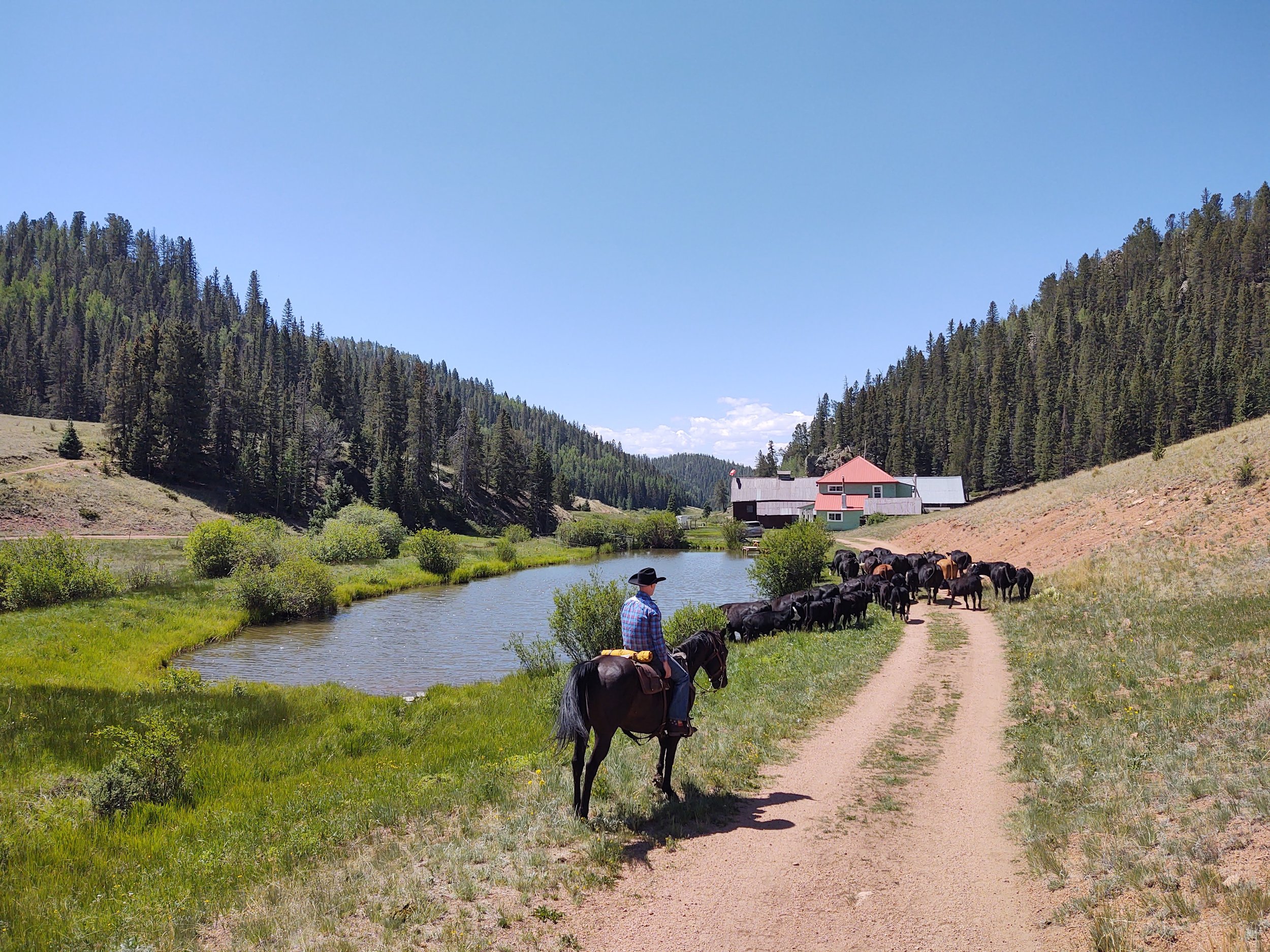
Elk Glade is lodge-based. Guided hunters stay in the historic ranch lodge — a real bed, hot meals, and a warm, dry place to recover — and head out into the private and leased hunting country each morning. After years of watching tired hunters miss chances on the back half of a hard week, we're believers in hunting rested. You spend your energy on the mountain, not on surviving camp.