Skip to content

Decision framework · Sourced from CPW

How to pick a Colorado elk unit.

There are 100-plus GMUs and no single 'best' one — only the best one for your points, your access, your fitness, and your goal. Six criteria to build a short list, and where to pull the real numbers instead of trusting a forum.

Start here

Pick the unit you can draw, then optimize.

The most common unit-selection mistake is falling in love with a premium unit you can’t draw for a decade. Start the other way: run your preference points against CPW’s draw-odds tables and build a list of units you can actually draw this year (or OTC units, which need no points). Then apply the rest of the criteria to choose among them.

Everything below is a filter. Run your candidates through all six and the right unit usually rises to the top — for this year, with these points, hunting the way you actually hunt.

Six criteria

The filters, in order.

01

Draw odds vs. your points

Start with what you can actually draw. Some units take zero points; premium units take many. Run your point total against the CPW draw-odds tables and build a realistic list — a dream unit you can't draw for a decade isn't a plan for this year.
02

Hunter density

CPW publishes hunter-day estimates per unit. Sort for low density. A limited-entry unit with controlled tags hunts very differently from an OTC unit that sees opening-weekend truck traffic. Lower density usually means better elk behavior and a better experience.

03

Access — public, private, or both

Map the public land, the legal access points, and whether the good country sits behind private. A unit that looks huge on paper can be functionally small if the access is pinched. Private-land or outfitter access changes the equation entirely.

04

Terrain + how you hunt

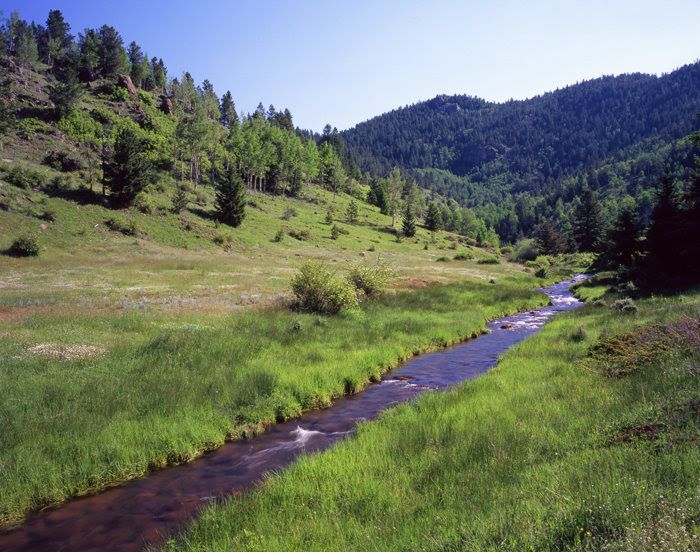
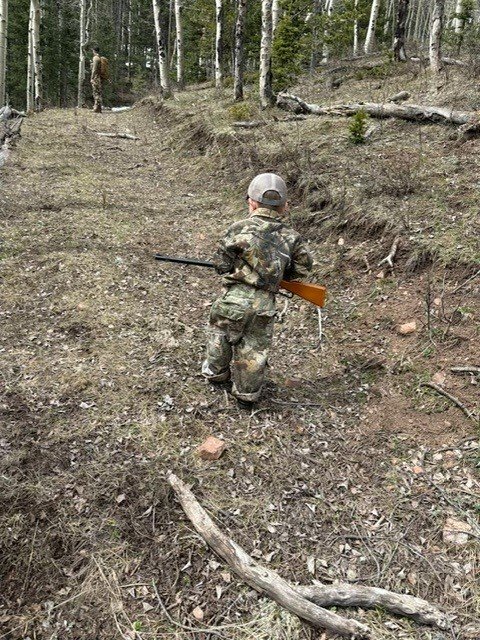
Match the country to your style and fitness. Open aspen-and-meadow benches favor glass-and-stalk; dark timber favors still-hunting and calling; high wilderness demands fitness and commitment. Be honest about what you can hunt for six days.

05

Trophy potential vs. opportunity

Decide what you're optimizing for. High-opportunity units put a bull in front of you; trophy units protect age structure for bigger antlers but often take years of points to draw. You usually trade one for the other — name your priority before you pick.

06

How it fits your multi-year plan

A unit choice is also a points strategy. Are you burning points to hunt now, or banking them toward a premium tag later? The right unit this year depends on whether you're playing a one-season or a ten-season game.

The shortcut

Or let an outfitter solve the unit for you.

Unit selection is most of the work in a DIY hunt — and most of the risk. Booking a guided hunt collapses all six criteria into one decision: the outfitter already holds the access, knows the density, has patterned the terrain, and hunts a unit chosen for quality. You apply for that unit’s tag and show up.

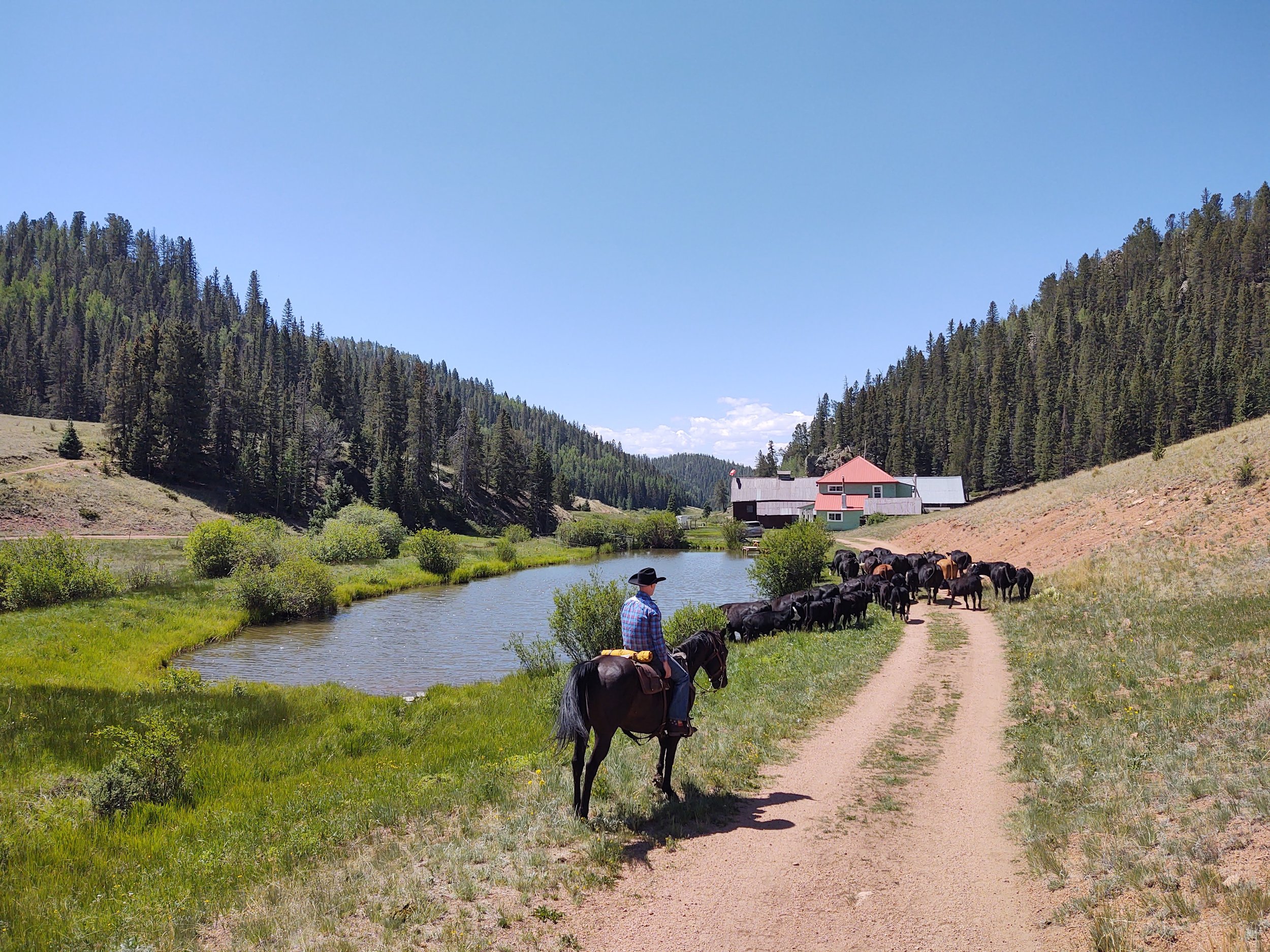
Elk Glade hunts GMU 59 — limited entry, low density, exclusive access on the south slope of Pikes Peak. The unit is already picked; the country is already known. Read the GMU 59 profile, or see how to evaluate any outfitter.

Frequently asked

Unit selection questions.

How do I choose a Colorado elk unit?

Work through six criteria: your realistic draw odds (run your points against CPW's draw tables), hunter density (CPW publishes per-unit estimates — lower is usually better), access (public, private, or pinched-by-private), terrain that fits how you hunt and your fitness, trophy potential versus opportunity, and how the choice fits your multi-year points strategy. Build a short list of units you can actually draw, then weigh the rest.

What is the best GMU for elk in Colorado?

There's no single best unit — it depends on what you optimize for and what you can draw. Limited-entry units that require preference points generally offer lower pressure and better age structure; OTC units offer access without a draw but higher density. The 'best' unit is the one that matches your points, your access, your fitness, and your goal. Use CPW's harvest and draw-odds data to compare candidates.

Where do I find Colorado elk unit data?

Colorado Parks and Wildlife publishes the data you need: the big game brochure (seasons, unit boundaries), harvest statistics (success rates and hunter counts by unit), and draw-odds reports (how many points it took to draw each unit and season). Mapping apps like onX overlay land ownership and access. Always base unit decisions on current CPW data, not forum hearsay.

Should I hunt public land or use an outfitter for unit access?

Both work. DIY public-land hunting gives freedom and lower cost but requires scouting, fitness, and acceptance of higher pressure in popular units. An outfitter with private or exclusive access removes the unit-selection guesswork and concentrates you in patterned country — at a higher cost but materially higher success. The right answer depends on your time, budget, and experience.