Skip to content

Mule deer reference · Habitat + range

Where mule deer live.

The broken, semi-open country of the American West — sagebrush flats, foothill brush, canyon breaks, and aspen slopes worked up and down with the seasons. The habitat, the range across a dozen states, and the long migrations that move whole herds 150 miles.

The country

Broken ground, semi-open, with a place to hide.

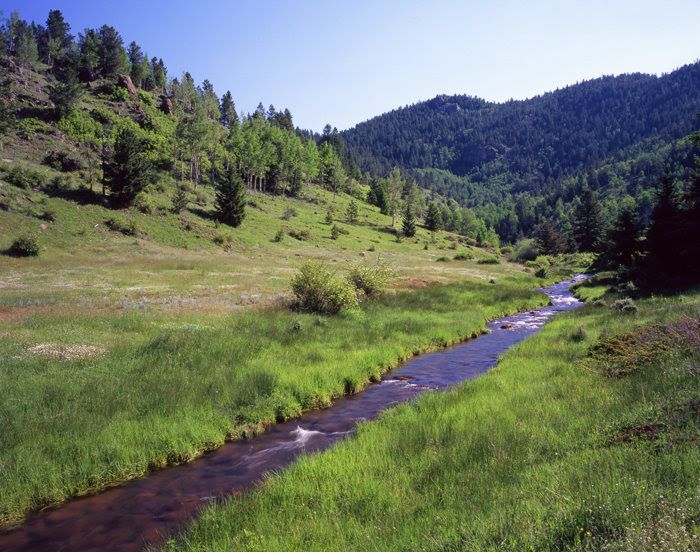
Mule deer are the West’s own deer, built for country a whitetail would never choose: sagebrush and bitterbrush flats, oak-brush foothills, rocky canyon breaks, aspen pockets, and high mountain slopes. What they want is the seam between open feeding ground and broken cover — a place to fill up at first light, then slip into the rocks and watch their backtrail through the day.

Like elk, they work elevation with the seasons: high summer range, lower south-facing winter range where browse stays above the snow. Winter range is the bottleneck — and where some herds make the long migrations that define mule deer country.

The migrations

Some herds travel 150 miles.

The most striking thing about mule deer country is how far some of it stretches. Many herds migrate between summer and winter range, and a few of these journeys are extraordinary — one Wyoming herd moves roughly 150 miles between the Red Desert and the Hoback, among the longest mule deer migrations ever documented.

Those corridors — the pinch points, the river crossings, the stopover range — are as essential to the deer as the summer and winter ground they connect. Protecting them is one of the central efforts of modern mule deer conservation, and a reason migration mapping has become such a focus across the West.

Frequently asked

Mule deer habitat questions.

Where do mule deer live?

Mule deer live across western North America — from the Rocky Mountains and the Great Basin to the desert Southwest and up into western Canada, and east onto the western Great Plains. They favor broken, semi-open country: sagebrush flats, foothill brush, canyon breaks, aspen, and mountain slopes. They're a western deer; whitetails dominate the East. Elk Glade hunts Rocky Mountain mule deer on GMU 59.
What is mule deer habitat like?

Ideal mule deer habitat is a mix of open foraging ground and broken cover — sagebrush and bitterbrush flats, oak and mountain-mahogany brush, aspen pockets, and rocky canyon country that lets a deer slip into cover and watch its backtrail. They use elevation seasonally, summering high and wintering on lower, south-facing slopes where browse stays available under the snow.

Do mule deer migrate?

Many mule deer herds make seasonal migrations between high summer range and lower winter range, and some of these are remarkable — one Wyoming herd travels roughly 150 miles between the Red Desert and the Hoback, among the longest mule deer migrations known. Snow depth drives the timing. Protecting these migration corridors is a major focus of modern mule deer conservation.

What states have mule deer?

Mule deer range across Colorado, Wyoming, Montana, Idaho, Utah, Nevada, Arizona, New Mexico, Oregon, California, Washington, and into the Dakotas, Nebraska, and western Canada. The coastal black-tailed deer of the Pacific Northwest is a mule deer subspecies group. They don't occur in the eastern US, which is whitetail country.

From the page to the field

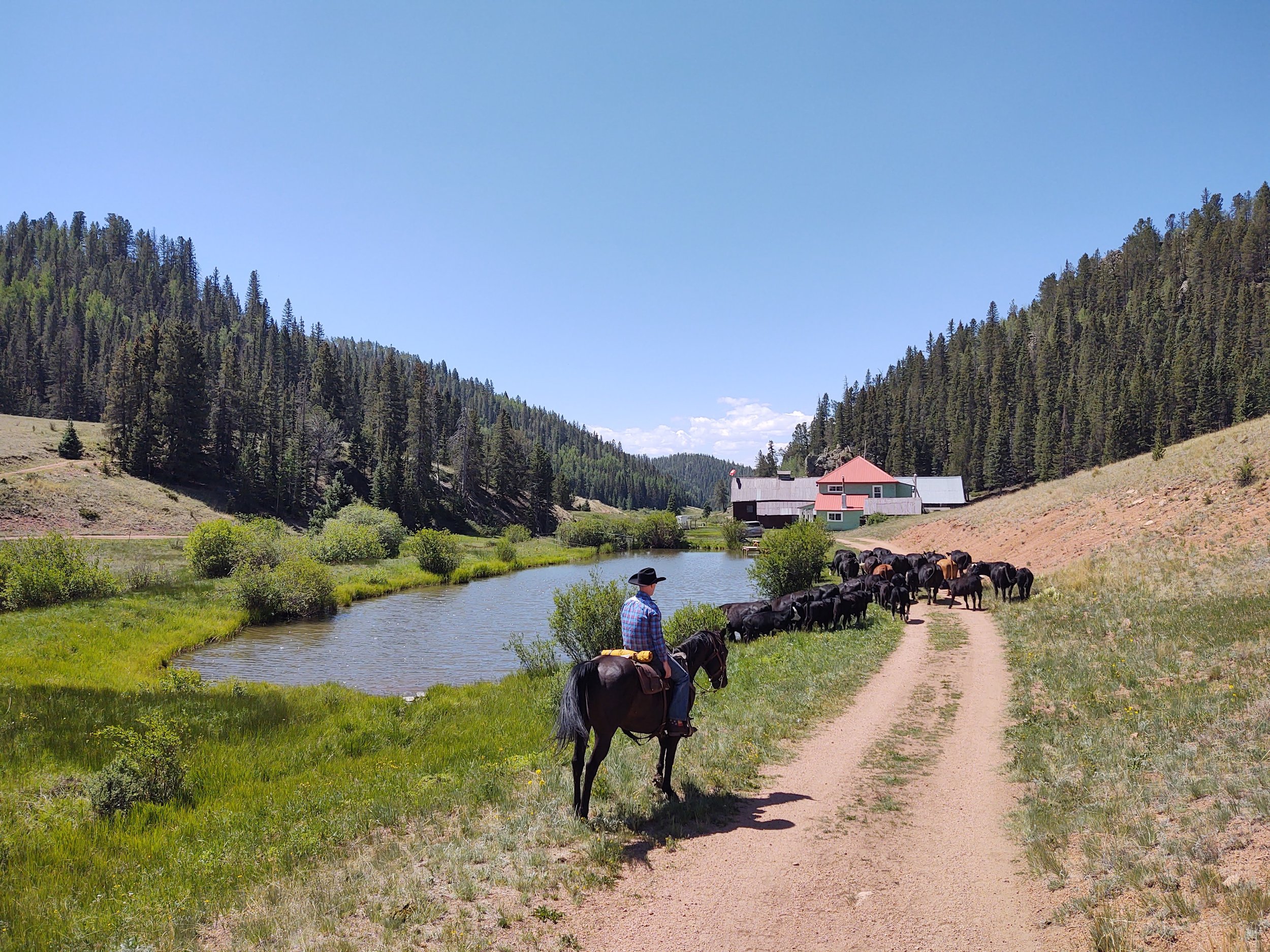
Hunt mule deer on the south slope of Pikes Peak.

Elk Glade guides mule deer on GMU 59 limited entry — combined with elk on the shared seasons, or on their own. Low pressure, mature bucks, an hour from Colorado Springs.