Skip to content

Field skills · Shed hunting

Elk shed hunting.

Every spring the bulls drop last year's antlers on the winter range, and the hunt is to find them. When elk shed, where the brown ones lie, how to read the country — and the Colorado closures that keep wintering elk alive while you wait for the season to open.

The short version

Walk the winter range, after it’s legal.

Bulls cast their antlers in late winter and early spring — March into April, later up high — as the rut’s hormones drain away. The antlers fall where the elk are spending those weeks: the low, south-facing winter range where sun clears the snow and feed is within reach. So shed hunting is really winter-range hunting: find where the herd wintered, then grid it slowly once the antlers are down.

The catch is timing. Those same weeks are when disturbing elk does the most harm — and Colorado closes shed collection on public land west of I-25 through April to protect them. The sheds will still be there when the closure lifts. Know the rules first; walk the country second.

Where to look

Five places sheds collect.

South-facing slopes
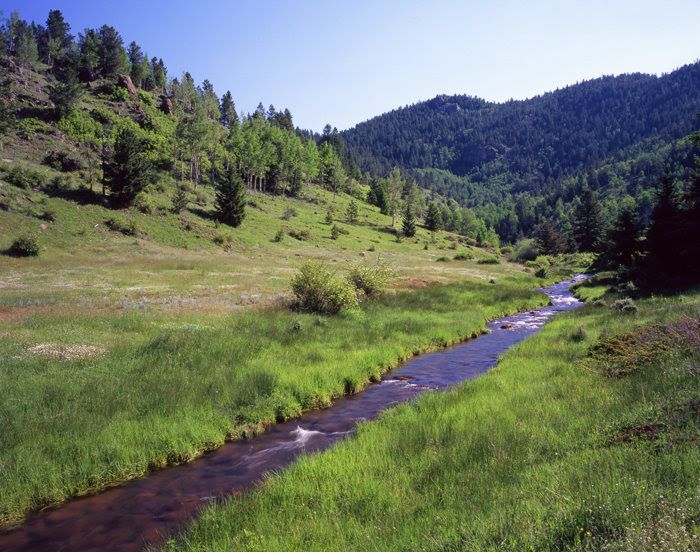
Winter sun keeps these slopes warmer and clearer of snow, so wintering elk feed and loaf here — and drop antlers here. The first place to look once the snow pulls back.
Feeding areas
Open parks, meadow edges, and winter forage where elk spend hours head-down. Antlers loosened to the point of dropping often come off while feeding.
Bedding areas
Sheltered timber and benches where elk lie up. A bull can drop one antler bedded and the other a mile away — once you find one, slow down and grid the area.
Trail crossings + fence jumps
The jar of jumping a fence or a deadfall can knock a loose antler free. Check the landing side of obstacles along well-used trails.
Travel routes off winter range
The corridors elk use moving between feed and cover collect sheds. Walk them slowly, sun at an angle, looking for a tine or a curve of beam, not a whole antler.

Before you go

Know the winter closures — and honor them.

Colorado restricts shed collecting on public land west of I-25 from January 1 through April 30, with an added sunset-to-10 a.m. restriction in early May, to keep people off the winter range during the hardest weeks of the year. Pushing wintering elk to run in late winter can cost them their lives — this is a conservation rule first and a legal one second.

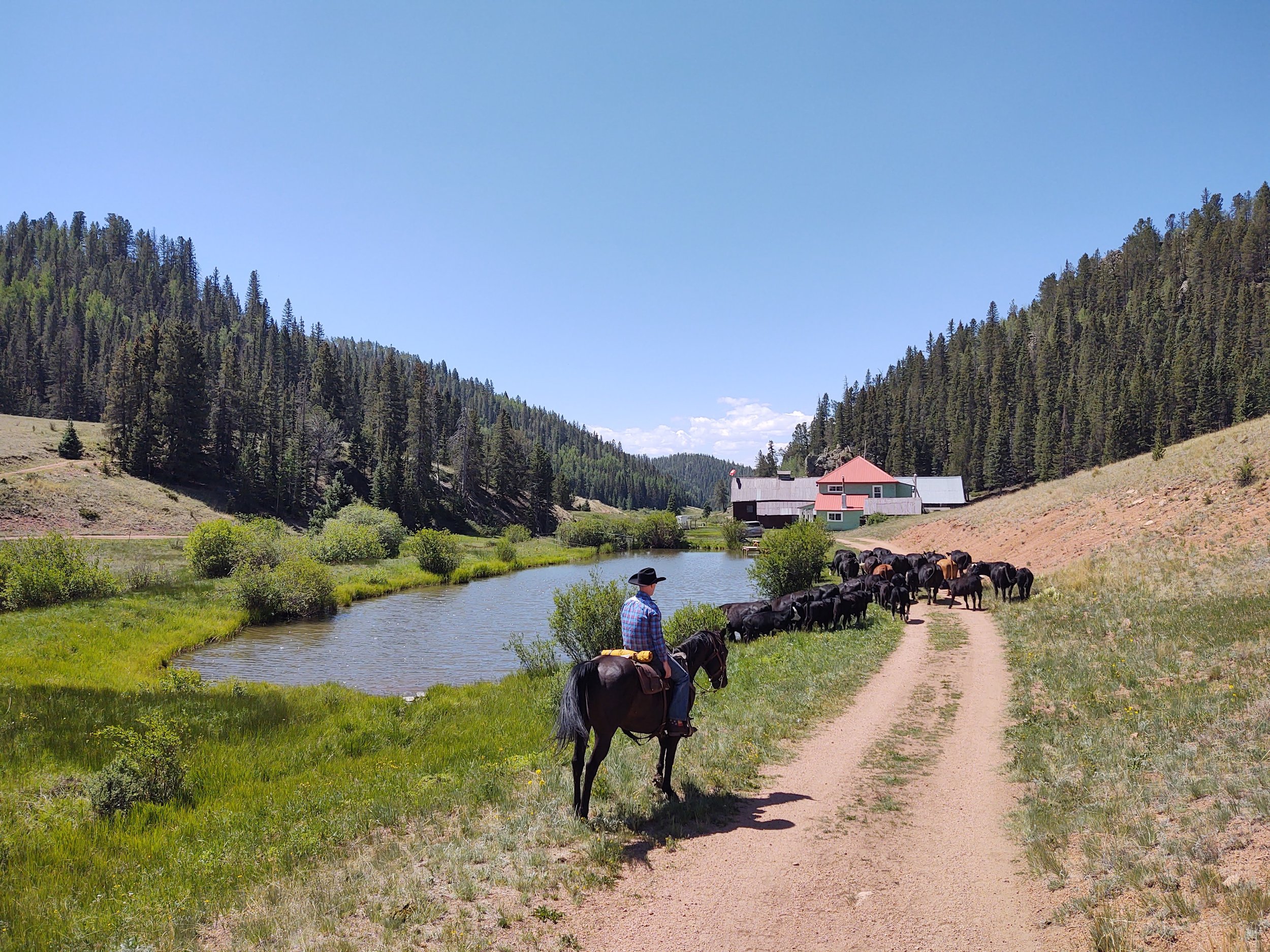
Dates and details can change year to year, so confirm the current rules with CPW before you head out, and never shed-hunt private land without the owner’s permission. Our own wintering elk drop their antlers across the ranch each spring — kept undisturbed through the closure, the way it should be.

Frequently asked

Shed hunting questions.

When do elk shed their antlers?

Bulls drop their antlers in late winter to early spring — generally March into April, and sometimes into May at high elevation — as testosterone falls after the rut. Mature bulls tend to shed earliest, younger bulls later. Within a few weeks of dropping, a bull begins growing a new set in velvet, so the cast antlers and the new growth happen back to back.
Where is the best place to find elk sheds?

Start on south-facing slopes and winter range, where elk concentrate in late winter — these warm, wind-cleared faces hold feeding and bedding elk and the antlers they drop. Then grid feeding areas, bedding timber, trail crossings, fence and deadfall jumps, and the travel routes between. Fresh 'brown' sheds are recent; chalky 'white' ones have weathered a season or more.

Is shed hunting legal in Colorado?

Yes, but with important seasonal limits. To protect wintering big game, Colorado prohibits collecting shed antlers and horns on public land west of I-25 from January 1 through April 30 each year, with an additional sunset-to-10 a.m. restriction in early May. Dates and details can change, so always confirm the current shed-collection rules with Colorado Parks and Wildlife before you go. On private land, you need the landowner's permission.

Why are there closures on shed hunting?

Late winter and early spring are the hardest, leanest weeks of the year for elk and deer, living on stored fat and thin feed. People walking the winter range to look for antlers push animals to run and burn energy they can't spare, which can kill them. The closures keep wintering herds undisturbed through the critical period — it's a conservation rule, and worth respecting beyond the letter.

Why do people hunt for elk sheds?

Sheds are a window into the herd — they tell you which bulls survived the winter, how big they are, and where they're living, which makes shed hunting a favorite way to scout for fall. Beyond that, antlers are simply beautiful objects, prized for décor, craft, and as a keepsake of a spring day spent walking good country. And it gets you boots-on-the-ground familiar with the land.