Ranching · Beef explained
Grass-fed vs grain-fed beef.
Almost every steer starts its life on grass — so the label is really about the finish. What 'grass-finished' actually means, the honest flavor and nutrition trade-offs, what the words on the package do and don't guarantee, and how the grazing behind the beef ties to the health of the land.
The short version
It’s about the finish, not the start.
Here’s the thing most labels obscure: nearly all beef cattle are raised on grass. Calves are born and grown on pasture in a cow-calf operation — that part is the same whether the package says “grass-fed” or not. The difference comes at the end. Grass-finished cattle stay on grass to market weight; grain-finished cattle spend their last months on a grain ration that adds marbling and weight faster.
That single difference drives everything people argue about — flavor, fat, nutrition, cost, and land impact. Neither is universally better. Knowing what actually separates them lets you read a label honestly and buy the beef you actually want.
Side by side
Grass-finished vs grain-finished.
| | Grass-finished | Grain-finished |
|---|
| Diet | Grass + forage for life, finished on grass | Grass-raised, then finished on a grain ration in a feedlot |
| Flavor | Leaner, more mineral and 'beefy,' firmer | More marbled, milder, richer, more tender |
| Fat | Less marbling; fat is yellower (beta-carotene) | More intramuscular marbling; whiter fat |
| Nutrition | Often higher in omega-3s and CLA, leaner | More calories from fat, very consistent |
| Time + cost | Slower to finish, usually costs more | Faster, cheaper, more uniform supply |
| Land impact | Well-managed grazing can build soil + grassland | Feedlot finishing concentrates inputs off pasture |
A working-ranch note
Where the cattle — and the elk — eat.
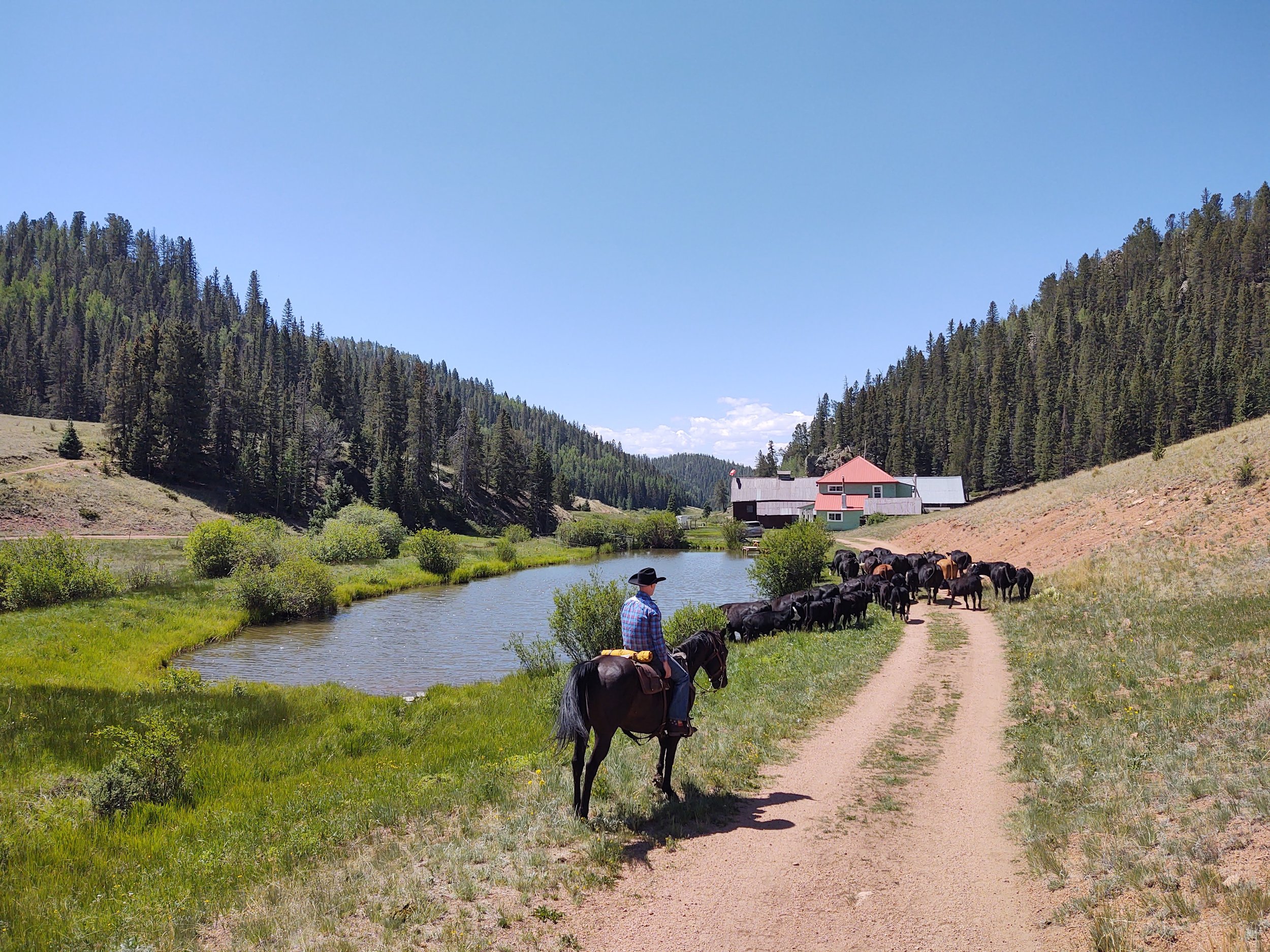
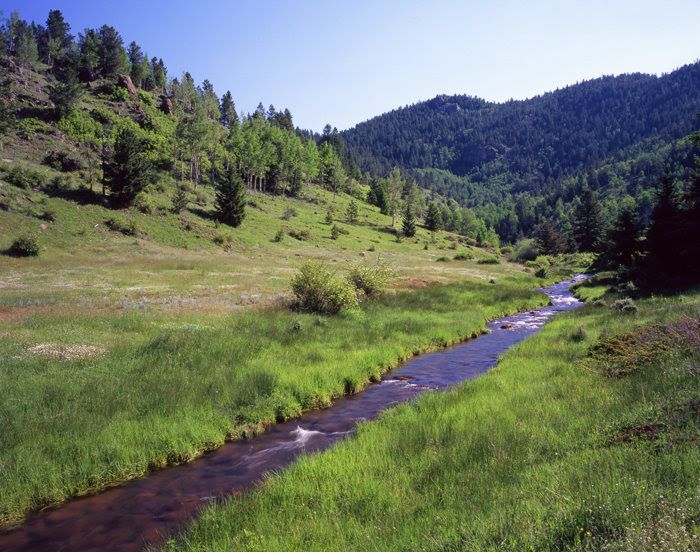
At Elk Glade, a local rancher’s cow-calf herd grazes the ranch under lease: native mountain pasture through the season, the way cattle have on this country for generations. It’s also worth noting that the wild elk sharing that same range are, in effect, the original grass-finished animal — a lifetime on forage and browse, which is a big part of why wild elk meat eats so lean and clean. If you’re curious how that compares to beef, the elk-meat guide digs in.
Frequently asked
Grass-fed beef questions.
What is the difference between grass-fed and grain-fed beef?
Nearly all beef cattle are raised on grass for most of their lives — the real difference is how they're finished. Grass-fed (and grass-finished) cattle eat grass and forage all the way to market weight. Grain-fed cattle spend a final period in a feedlot eating a grain ration that adds marbling and weight faster. So the distinction isn't 'grass vs. no grass' — it's how the animal spends its last few months.
Is grass-fed beef healthier than grain-fed?
Grass-finished beef tends to be leaner and often higher in omega-3 fatty acids and CLA, while grain-finished beef has more marbling and calories from fat. Both are nutritious sources of protein, iron, and B vitamins. 'Healthier' depends on what you're optimizing for — leanness and fatty-acid profile favor grass-finished; consistency and tenderness favor grain-finished. The difference is real but modest for most diets.
Does grass-fed beef taste different?
Yes. Grass-finished beef is leaner and firmer with a more mineral, distinctly 'beefy' flavor, and because it's lean it's easy to overcook — it likes a lighter hand and lower finish temperature. Grain-finished beef is more marbled, milder, and more forgiving on the grill. Neither is better; they're different, and good cooks adjust their method to the beef in front of them.
What does the 'grass-fed' label actually guarantee?
Less than people assume. The USDA withdrew its official grass-fed marketing standard in 2016, so a bare 'grass-fed' claim can vary by producer. The meaningful label is 'grass-fed and grass-finished,' ideally backed by a third-party certification like the American Grassfed Association. If grass-finishing matters to you, look for that specific language or certification rather than the words 'grass-fed' alone.
Is grass-fed beef better for the land?
It can be, when the grazing is well managed. Cattle moved through pastures on a planned rotation — the heart of regenerative ranching — can build soil, deepen roots, store carbon, and improve grassland and wildlife habitat. Poorly managed grazing can do the opposite. The label 'grass-fed' doesn't guarantee good land management on its own; the practices behind it are what matter.