Ranching reference · Conservation
Regenerative ranching.
Raising cattle in a way that leaves the land better than it found it — healthier soil, deeper roots, cleaner water, more wildlife. What regenerative ranching actually is, the practices that define it, and how the conservation-ranching certifications work.
The definition
Leave the land better than you found it.
That’s the whole idea, stated plainly. Regenerative ranching is livestock management aimed at improving the land over time — building soil, growing more forage, protecting water, and supporting wildlife — rather than slowly drawing it down. It treats the ranch as an ecosystem the cattle belong to, and it uses the herd as a tool to make that ecosystem healthier.
It is not a marketing label or a return to some imagined past. It is a specific set of grazing and land-management practices, increasingly measured and certified, that a growing number of working ranches use because healthier land is more productive and more resilient — better for the cattle, the wildlife, and the family that depends on both.
Six core practices
What it actually looks like on the ground.
Managed rotational grazing
Instead of letting cattle graze one pasture continuously, the herd is moved through a sequence of paddocks on a schedule that mimics how wild herds once moved across grassland. Each piece of ground gets grazed hard, then rested long enough to fully recover — which builds deeper roots, more ground cover, and more forage over time.
Soil health first
Healthy soil is the whole game. Keeping ground covered, roots living year-round, and disturbance low lets soil hold more carbon and water, cycle nutrients, and resist erosion. The grazing schedule, the timing, and the rest periods all serve the soil underneath the grass.
Water and riparian care
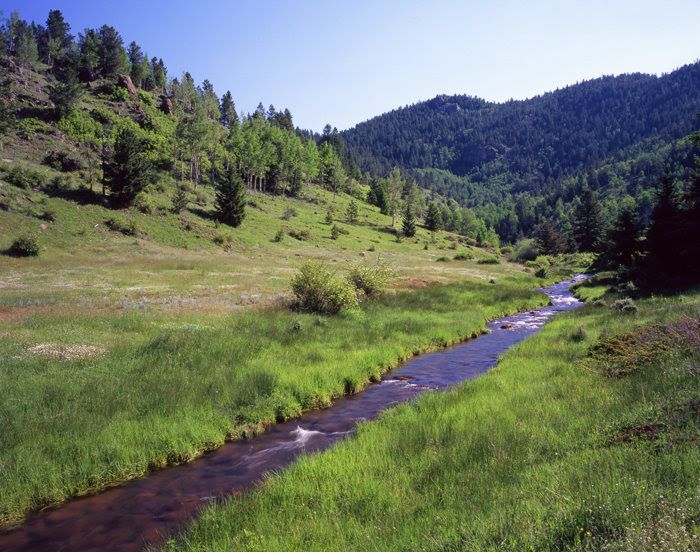
Protecting creeks, springs, and wet meadows — fencing cattle off sensitive banks, managing the timing of access, keeping instream flow — keeps the water clean and the riparian corridors that wildlife depend on intact. On a dry-country ranch, water is the limiting resource for everything.
Biodiversity + wildlife habitat
Regenerative grazing is managed so the same ground that feeds cattle also supports grassland birds, elk and deer, pollinators, and native plants. Conservation-grade fencing allows wildlife passage; grazing patterns leave nesting cover; brush and fuel management supports the whole community, not just the herd.
Reduced inputs
By building natural soil fertility and forage, regenerative operations lean less on synthetic fertilizer, feed, and chemicals. The land does more of the work, which is both an ecological and an economic goal — lower inputs, more resilient ground.
Fire and fuel management
Grazing is used as a tool to manage fuel loads and brush, reducing catastrophic wildfire risk while improving habitat. Cattle, used deliberately, become part of the land-management toolkit rather than a pressure on it.
The certifications
How the practices get verified.
As regenerative ranching has grown, so have programs that verify it. The Audubon Conservation Ranching Initiativecertifies beef raised on ranches managed for bird and grassland habitat, letting that beef carry a “grazed on bird-friendly land” seal. Federal programs like NRCS EQIPcost-share the conservation infrastructure — fencing, water systems, habitat work. Wildlife groups like the RMEF partner on habitat directly.
Together these turn “regenerative” from a claim into something documented and accountable: a ranch that says it manages for wildlife and soil can show the protocols it follows and the partners who verify it.
At Elk Glade
The cattle and the elk, managed together.
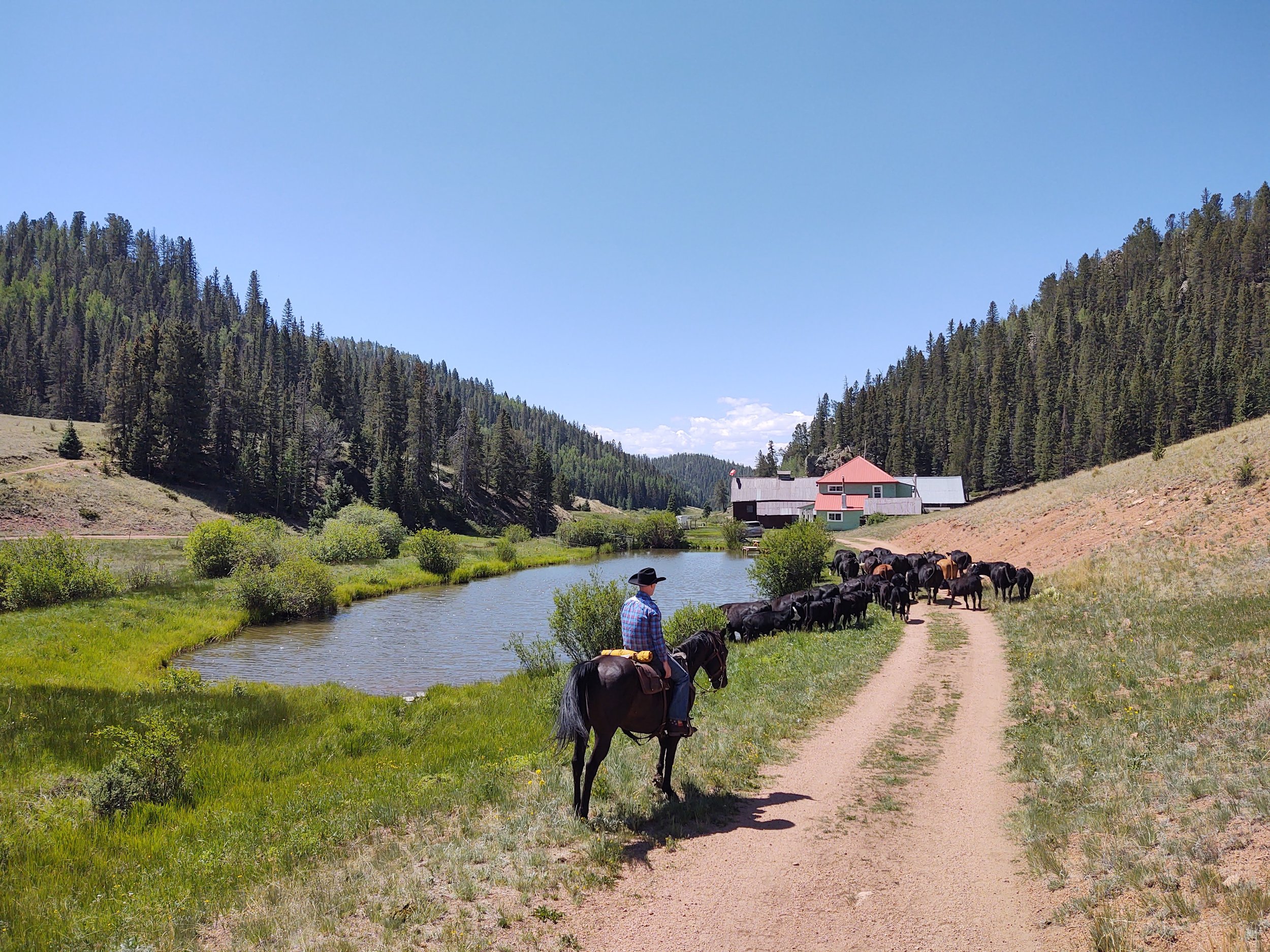
Elk Glade manages its grazing lease with conservation practices and works alongside conservation partners and land trusts — the Colorado Cattlemen Agricultural Land Trust, the Western Landowners Alliance, and the Palmer Land Conservancy — plus a Colorado Parks and Wildlife grant to help protect the largest wildlife corridor between New Mexico and Wyoming on the Colorado Front Range. On the ground that means cattle grazing used to manage fuel loads and brush, conservation-grade fencing that lets elk and deer pass, and water management that protects East Beaver Creek through a dry summer.
The point isn’t cattle orwildlife — it’s cattle andwildlife, on the same ground, managed so each one makes the other more viable. That’s what keeps a 138-year working ranch a ranch instead of a subdivision.
Frequently asked
Regenerative ranching questions.
What is regenerative ranching?
Regenerative ranching is an approach to raising livestock that aims to improve the land over time rather than simply extract from it. Through managed rotational grazing, a focus on soil health, water and riparian protection, and biodiversity, the goal is healthier soil, more forage, cleaner water, and better wildlife habitat — while still running a viable cattle operation. It treats the ranch as an ecosystem the cattle are part of, not separate from.
How is regenerative ranching different from conventional ranching?
Conventional ranching often grazes pastures continuously and relies more on external inputs like fertilizer and feed. Regenerative ranching moves cattle through paddocks on a rest-and-recovery schedule, prioritizes soil health and ground cover, protects water and wildlife habitat, and reduces inputs. The difference is the goal: conventional management optimizes for short-term production; regenerative management optimizes for long-term land health and resilience, which supports production over time.
What is Audubon Conservation Ranching?
The Audubon Conservation Ranching Initiative is a program that certifies beef raised on ranches managed for bird and grassland habitat. Participating ranches follow habitat-management protocols verified by Audubon, and their beef can carry a 'grazed on bird-friendly land' seal. It's one of several conservation-ranching certifications that recognize ranchers managing their land for wildlife alongside cattle.
Is regenerative ranching good for wildlife?
Yes — well-managed regenerative ranching can be a strong net positive for wildlife. Rotational grazing leaves nesting and security cover, conservation-grade fencing allows elk, deer, and pronghorn to pass, riparian protection keeps water and corridors healthy, and managed grazing maintains the open grassland and meadow habitat many species need. On working ranches in elk country, the same practices that benefit cattle benefit the elk herd.
Does Elk Glade practice regenerative ranching?
Yes. Elk Glade manages its grazing lease with conservation practices and works alongside conservation partners and land trusts — including the Colorado Cattlemen Agricultural Land Trust, the Western Landowners Alliance, and the Palmer Land Conservancy — plus a Colorado Parks and Wildlife grant to help protect the largest wildlife corridor between New Mexico and Wyoming on the Colorado Front Range. Cattle grazing is used to manage fuel loads and brush, conservation-grade fencing supports wildlife passage, and water management protects East Beaver Creek — the cattle and the wildlife are managed together, not in competition.