The elk herd and the cow herd eat the same forage, water the same creek, and want the same south-facing slopes. Managing both on one ranch is the whole job.
By Jim Johnson3 min read
People ask whether the cattle and the elk compete. The honest answer is yes — and managing that is most of what we do.
Elk and cattle are both ruminants. They graze the same grasses and forbs through the green months, browse the same shrubs when the grass cures, and in a hard winter they both want the same south-facing slopes that catch sun and shed snow. Put too many of either on a piece of ground and you damage it for both. The land has a budget, and the job is to spend it without going broke.
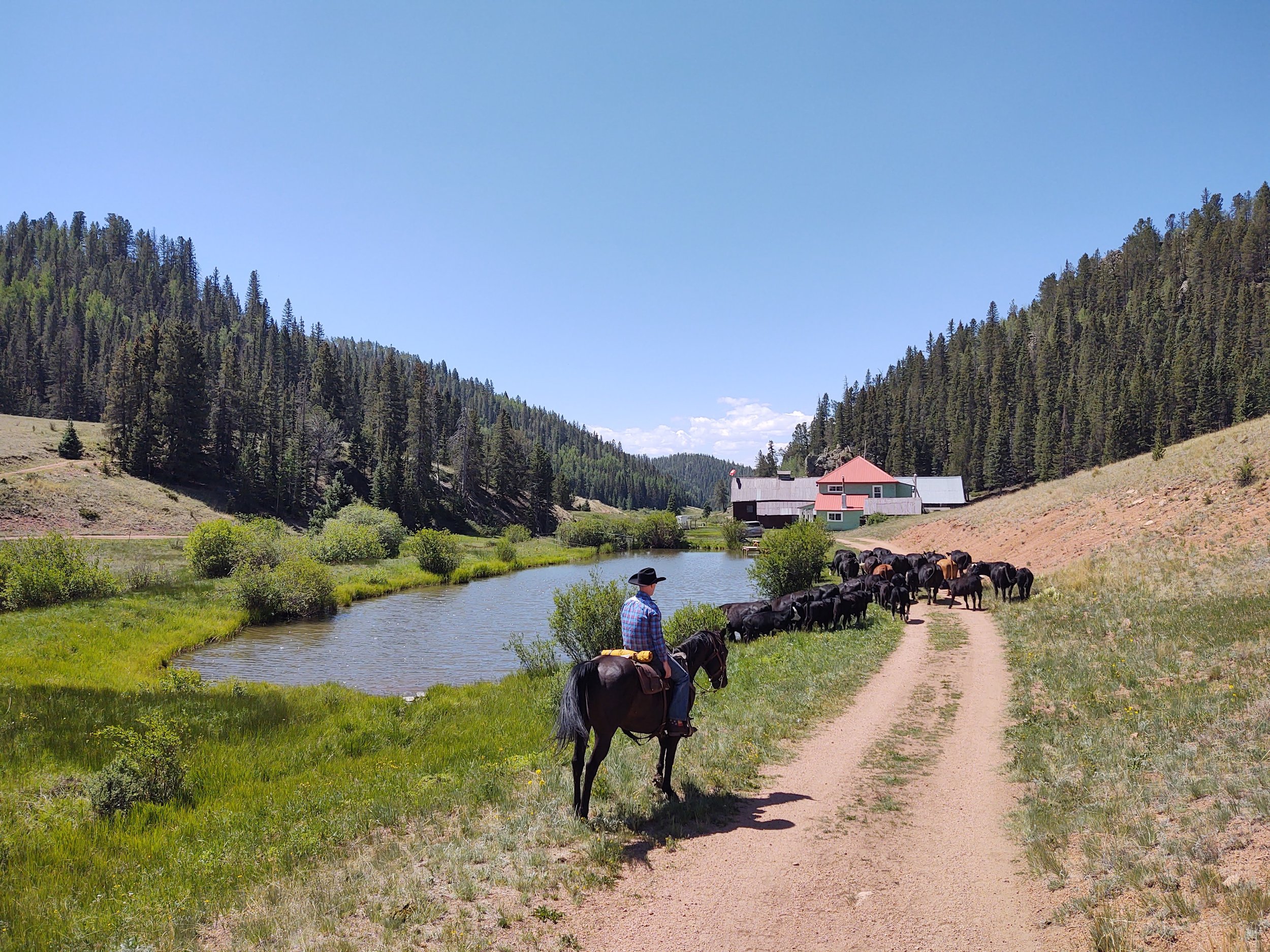
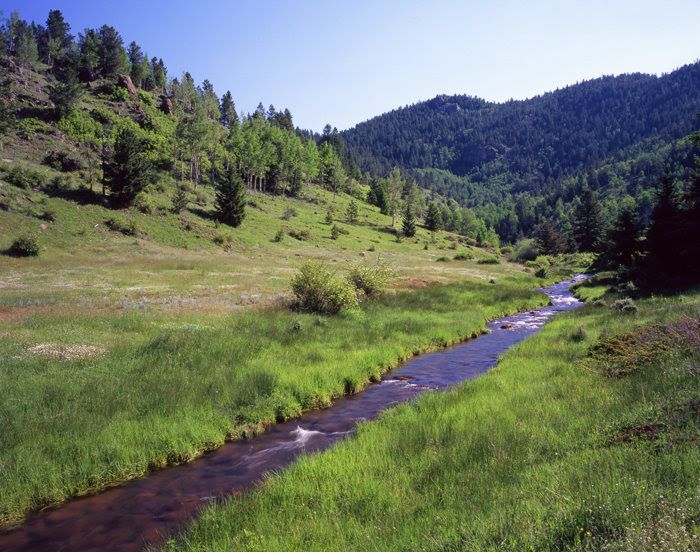
So the cattle are moved through the pastures on a rest-and-recovery schedule instead of letting them sit, which keeps the grass deep-rooted and leaves forage standing for the elk that rotate onto our country when the public-land seasons push them. Conservation-grade fencing lets the elk and the deer pass where they need to. Grazing in the right places at the right times knocks down the brush and the fuel load that would otherwise carry a fire. East Beaver Creek gets protected so the water's there in July.
None of that is charity. Healthier ground carries more cattle and more elk, which is the only math that keeps a working ranch working. It's why the cattle are run the way they are — what people now call regenerative ranching — and why the ranch's conservation memberships — the Colorado Cattlemen's Agricultural Land Trust, the Western Landowners Alliance, and the Palmer Land Conservancy — aren't a logo on a page but part of how the place is run.
The elk and the cattle eat the same grass. The trick is making sure there's enough of it, forever.